
Skip to content
ZeeshanSoft

Technology

React Native development

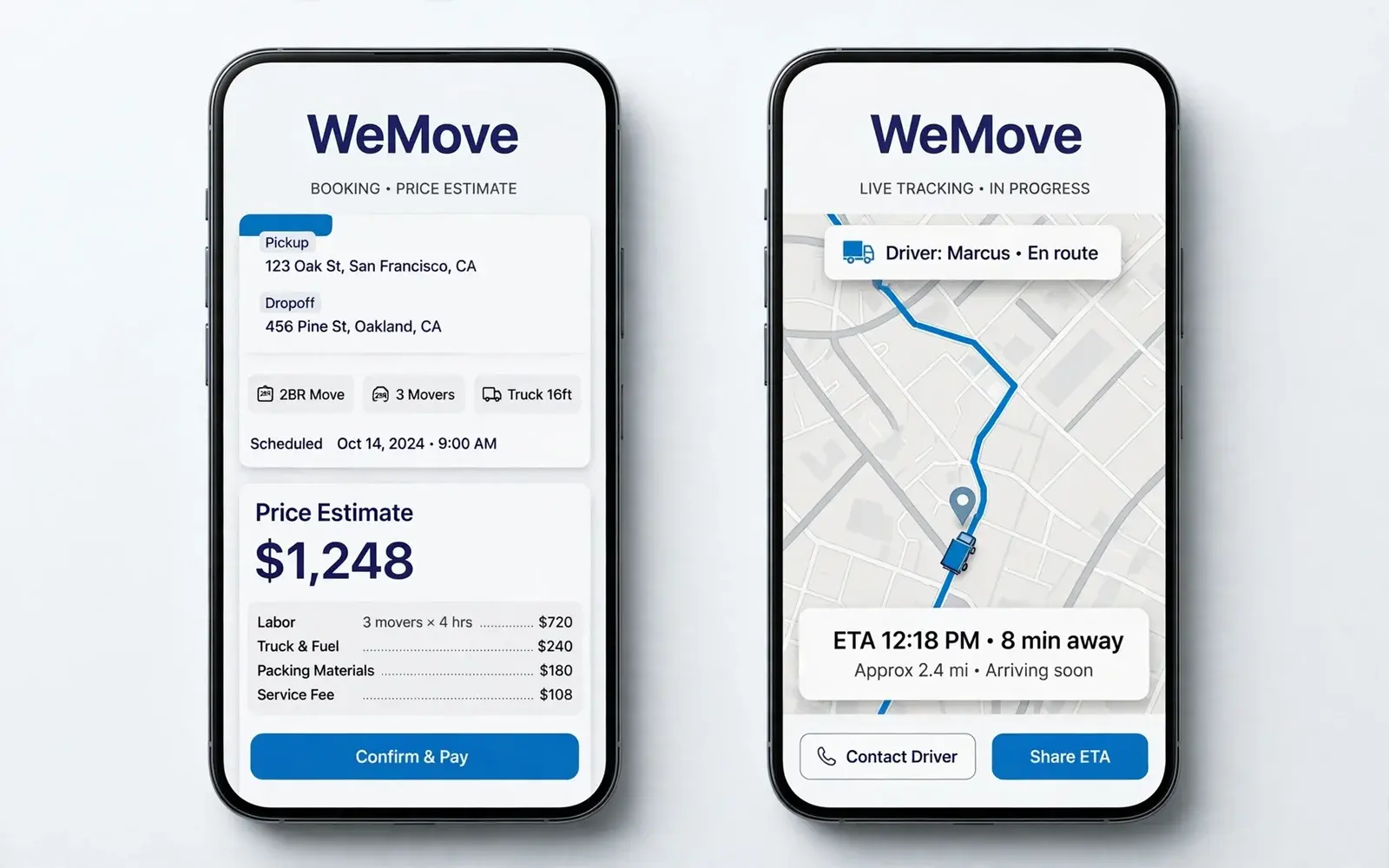
React Native renders real native components from a shared JavaScript codebase, so one team can ship iOS and Android apps together. WeMove, a moving-services app, is one example in my portfolio.

When React Native is the right choice

  • Business, booking, e-commerce and companion apps
  • Products that also have a React web app
  • Teams wanting one codebase for both platforms

How I use it

  • Expo for faster builds and over-the-air updates
  • Native modules where a feature requires them
  • Maps, push notifications and offline support
  • App Store and Play Store release management

Often paired with

One codebase for iOS and Android

React Native builds real native apps for iOS and Android from a single codebase. For most business apps — bookings, ordering, tracking, accounts, content — that means faster delivery and lower maintenance costs than two separate native apps, with performance users can't tell apart.

The WeMove moving app is a React Native project, with booking, real-time tracking, a pricing calculator and reviews.

From build to app stores

A React Native project with me covers:

  • App design and navigation suited to each platform
  • Push notifications, offline support and deep links
  • Payments, maps, camera and other device features
  • App Store and Google Play submission, including review fixes
  • Over-the-air updates for quick fixes after launch

When native is better

For heavy 3D games or apps that depend on the newest platform-specific features, fully native development can be the better choice. My guide comparing React Native and native apps explains how to decide.

Need a React Native developer?

Share a few details and get a clear, honest plan — usually within one business day.

Start a project