
Skip to content
ZeeshanSoft

Full-Stack Web Applications

Full-stack web applications, from database to deployment

Customer portals, booking systems, admin dashboards and internal tools: I build complete web applications with one developer accountable for how the frontend, backend and database fit together.

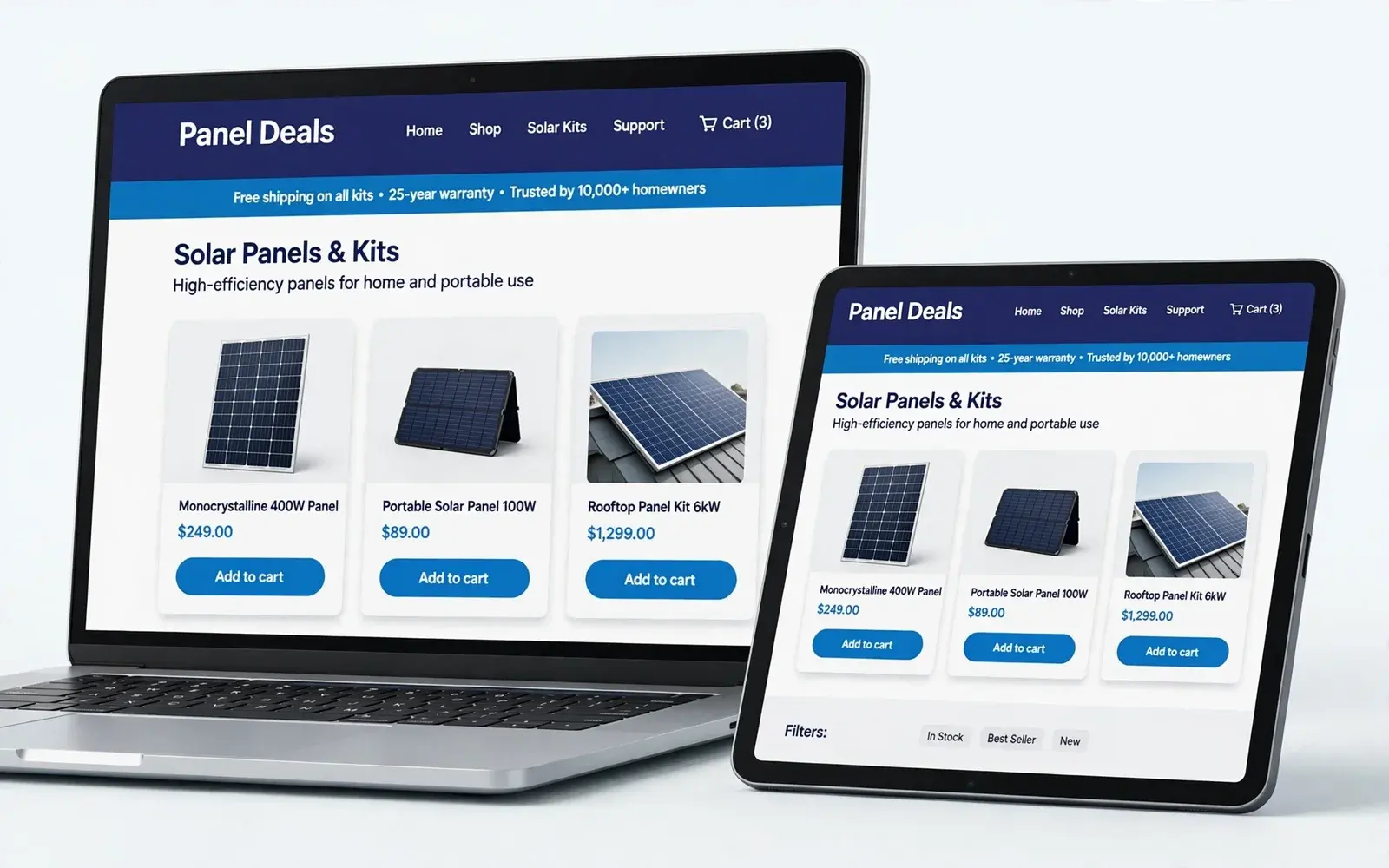
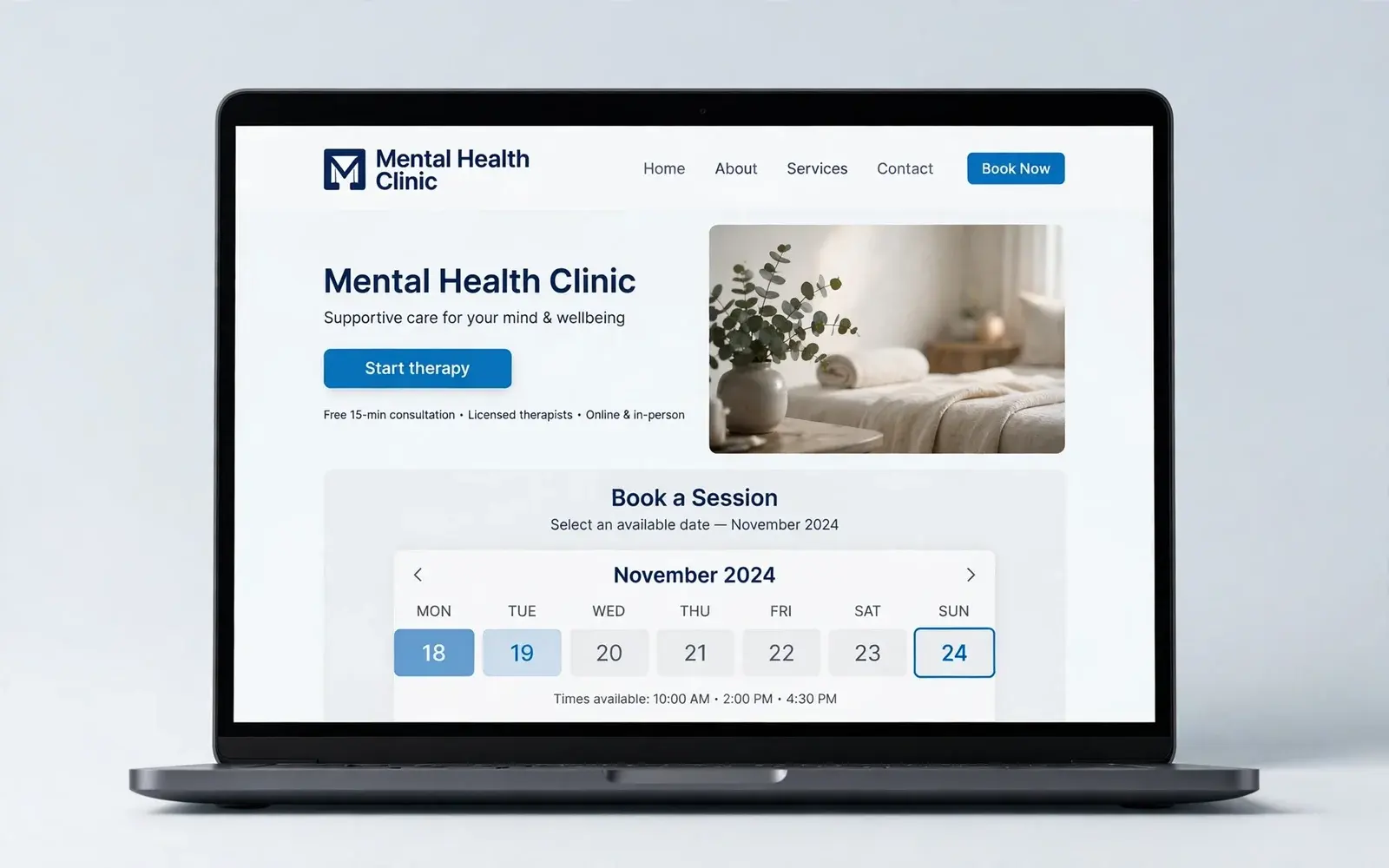
Panel Deals, Full-Stack Web Applications example
Case study: Panel Deals

Who needs Full-Stack Web Applications

  • Businesses replacing spreadsheets with a proper system
  • Founders building an MVP or SaaS product
  • Companies needing a customer or partner portal

Problems Full-Stack Web Applications solves

  • Manual processes spread across spreadsheets and email
  • Off-the-shelf software that does not fit how you work
  • Several vendors pointing at each other when something breaks

Deliverables

What you get with Full-Stack Web Applications

  1. Requirements workshop and feature prioritisation

  2. Database schema and API design

  3. React/Next.js frontend with role-based access

  4. Admin dashboard with reporting

  5. Automated tests for critical flows

  6. Cloud deployment with CI/CD

Full-Stack Web Applications illustration

Approach

How I approach Full-Stack Web Applications

Ship a usable core early

We identify the smallest version that solves the main problem, launch it, and iterate based on real use rather than guesses.

Built to be handed over

Code, infrastructure and documentation are yours. Another developer should be able to pick it up without reverse-engineering it.

How projects run, step by step →

Process

Your Full-Stack Web Applications project, step by step

  1. 1

    Planning

    A call to understand your goals, users and requirements, then a written scope.

  2. 2

    Design

    Wireframes, then a prototype you can click through and approve.

  3. 3

    Development

    Built in stages on a staging link, with your feedback at each milestone.

  4. 4

    Launch

    Quality checks, testing, your approval — then go live.

  5. 5

    Maintenance

    Ongoing support, updates and improvements after launch.

One developer, the whole product

Full-stack development means the same person designs the database, builds the API and creates the interface. There are fewer hand-offs, fewer 'that's the backend team's problem' delays and one person accountable for how everything fits together.

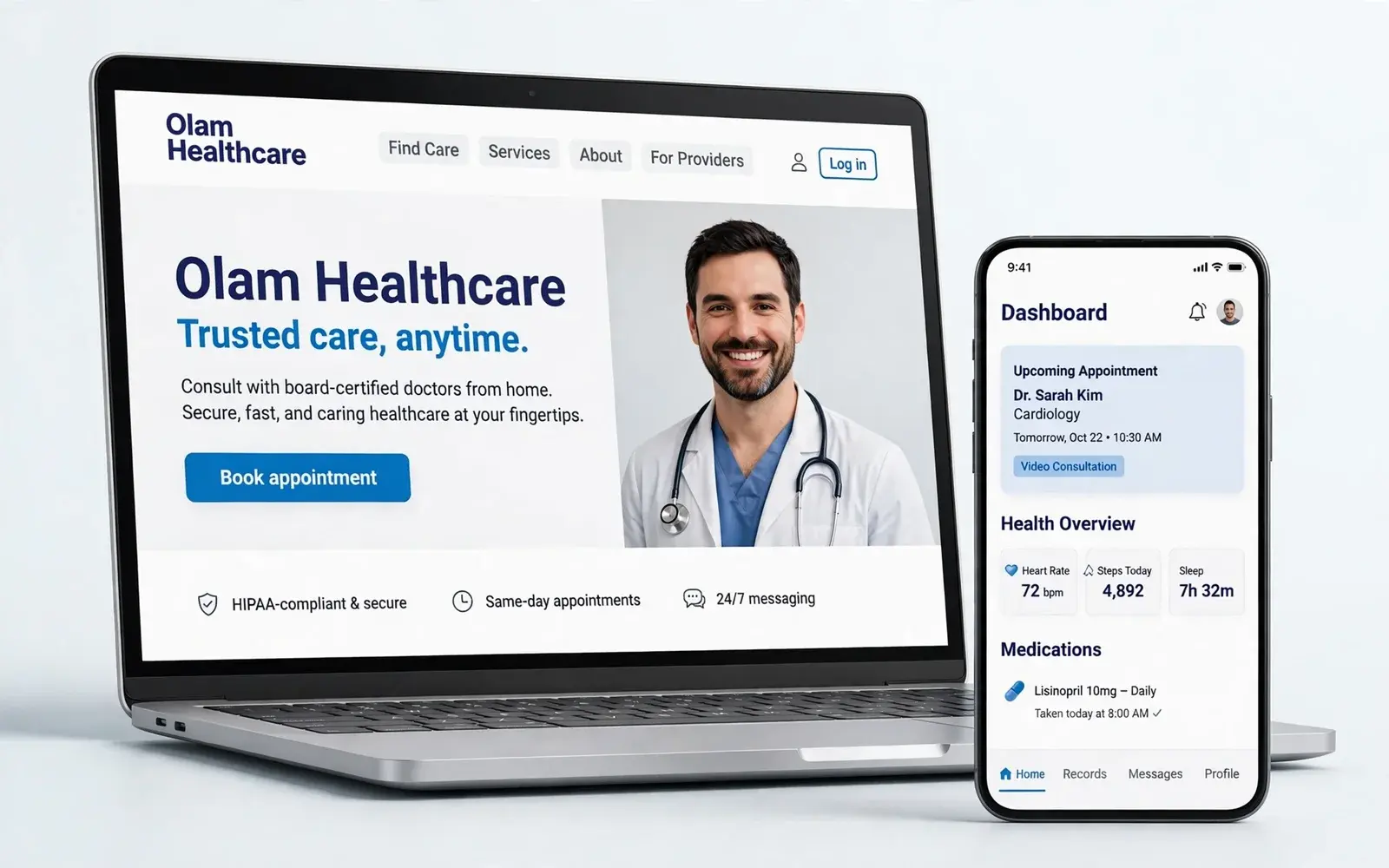
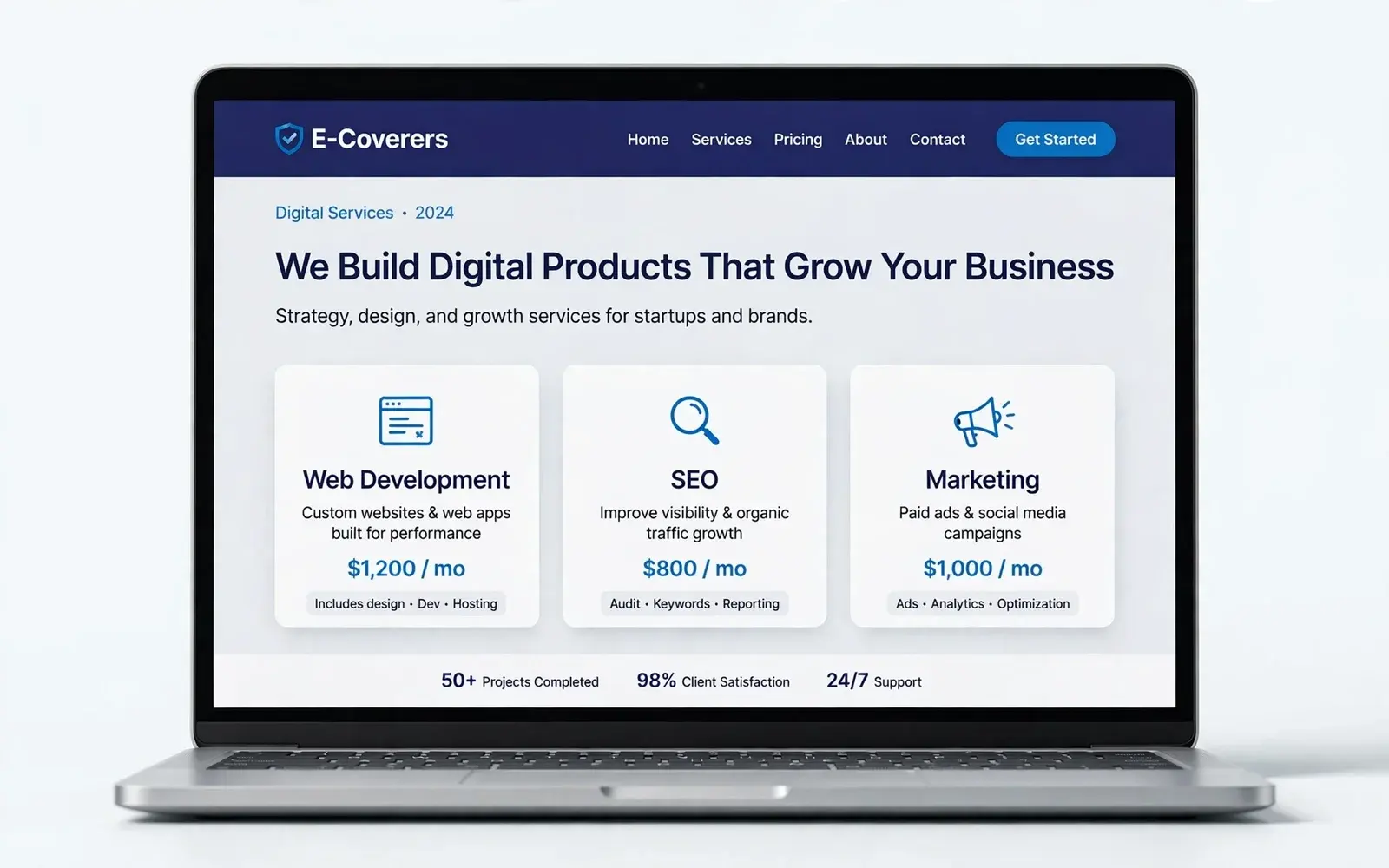
Projects like Panel Deals, Olam Healthcare and E-Coverers were built this way — frontend, backend, database and deployment.
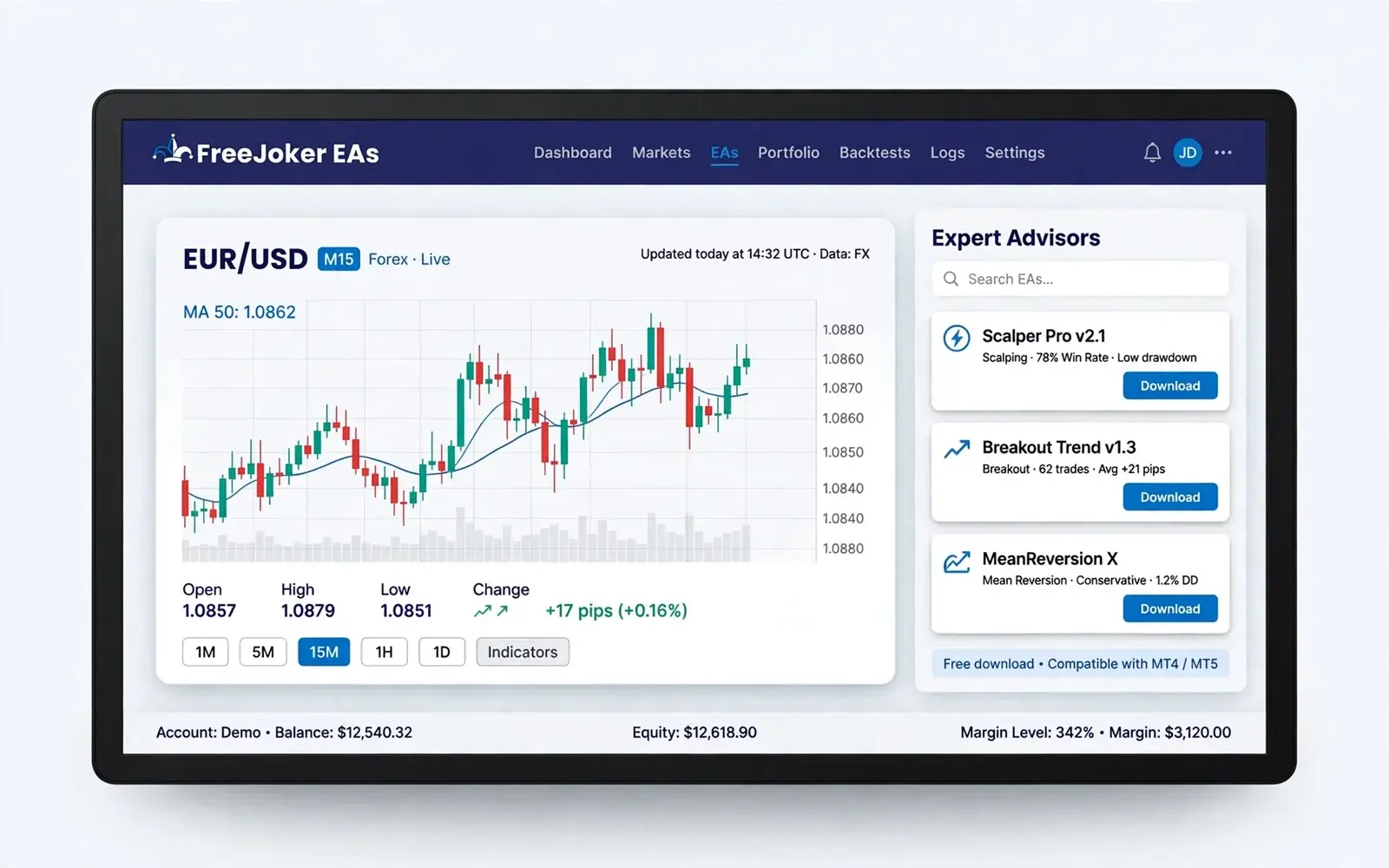
What a full-stack project covers

A typical engagement includes:

  • Requirements and data modelling
  • Frontend in React or Next.js
  • Backend API in Node.js or PHP/Laravel
  • Database design and migrations
  • Authentication, roles and permissions
  • Payments, email and third-party integrations
  • Deployment, monitoring and backups
  • Documentation and hand-over

Start with an MVP

For new products, the first version should be the smallest thing that solves the core problem for real users. It launches sooner, costs less and gives you real feedback before you invest in the rest. The app cost guide explains how to scope it.

FAQ

Full-Stack Web Applications: common questions

Do I own the source code?

Yes. You receive the full source code, repository access and deployment credentials at handover.

Can the application grow after launch?

That is the point of a clean architecture. Ongoing development and support are available after launch.

Have an application idea or a process to automate?

Share a few details and get a clear, honest plan — usually within one business day.

Start a project