

Skip to content
ZeeshanSoft

E-commerce Development

E-commerce stores built to sell, not just to look good

From a focused catalogue to a B2B ordering platform, I build online stores with fast product pages, a friction-free checkout and admin tools that make day-to-day operations simple.

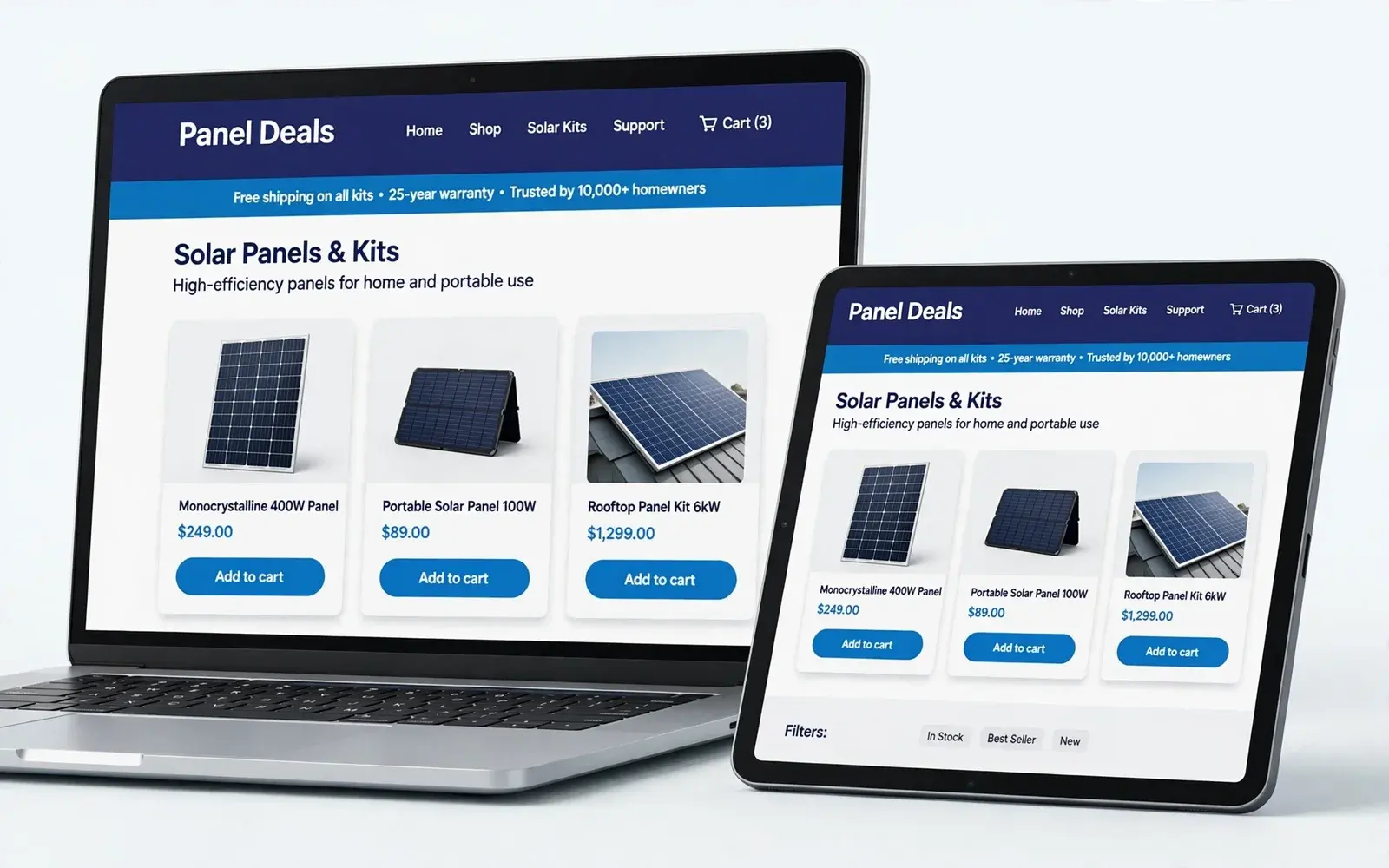
Panel Deals, E-commerce Development example
Case study: Panel Deals

Who needs E-commerce Development

  • Retailers moving online or replacing a slow store
  • B2B suppliers offering online ordering or quote requests
  • Brands that have outgrown a basic template

Problems E-commerce Development solves

  • Abandoned carts caused by a confusing checkout
  • Slow product pages on mobile
  • Inventory and orders managed by hand

Deliverables

What you get with E-commerce Development

  1. Store architecture: categories, filters and product templates

  2. Stripe, PayPal or local payment gateway integration

  3. Inventory, order and customer management

  4. Admin dashboard and sales reporting

  5. Product structured data and SEO-friendly URLs

  6. Shipping, tax and email notification setup

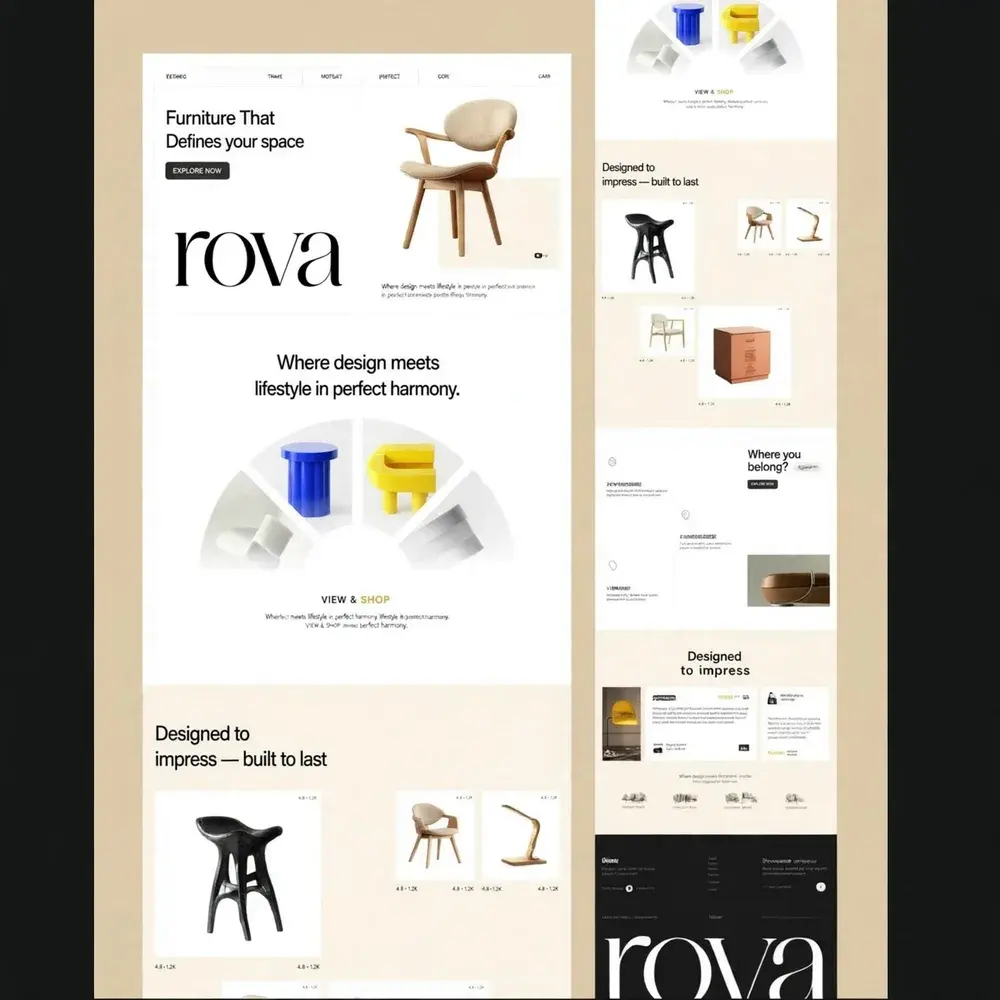
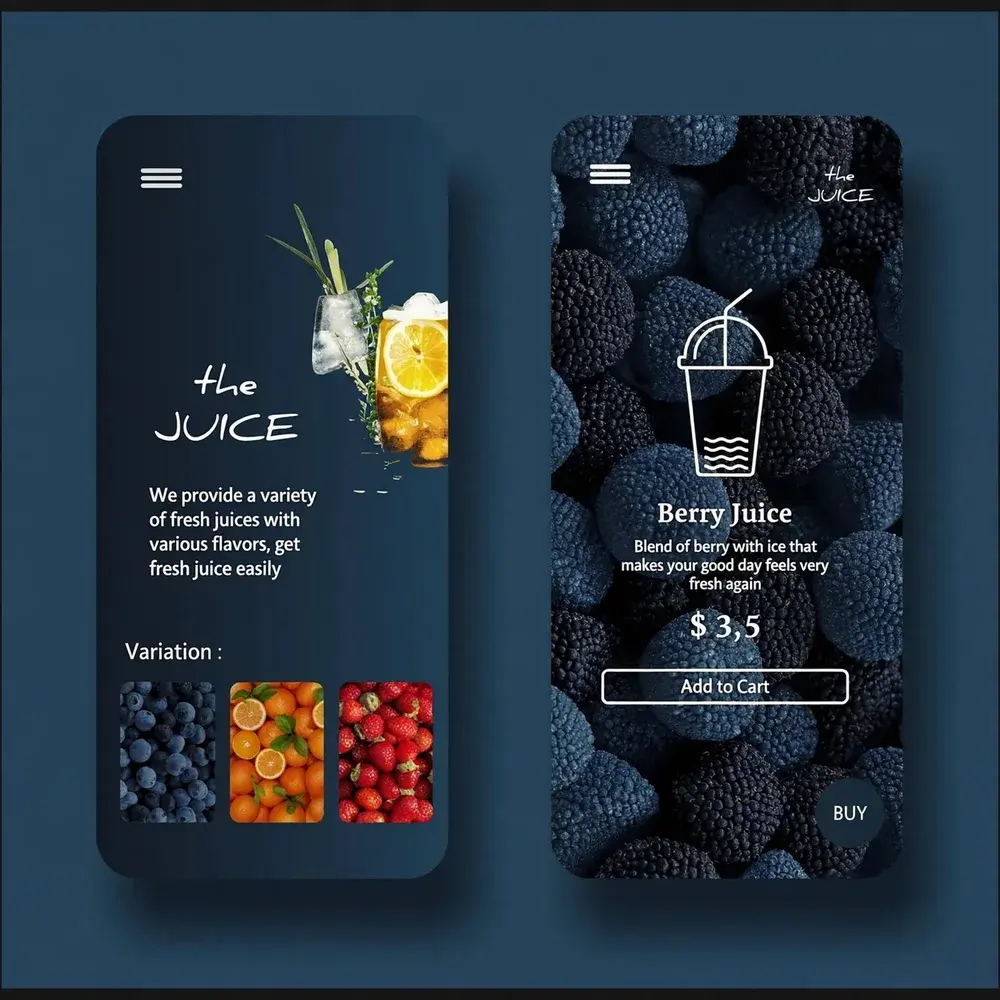
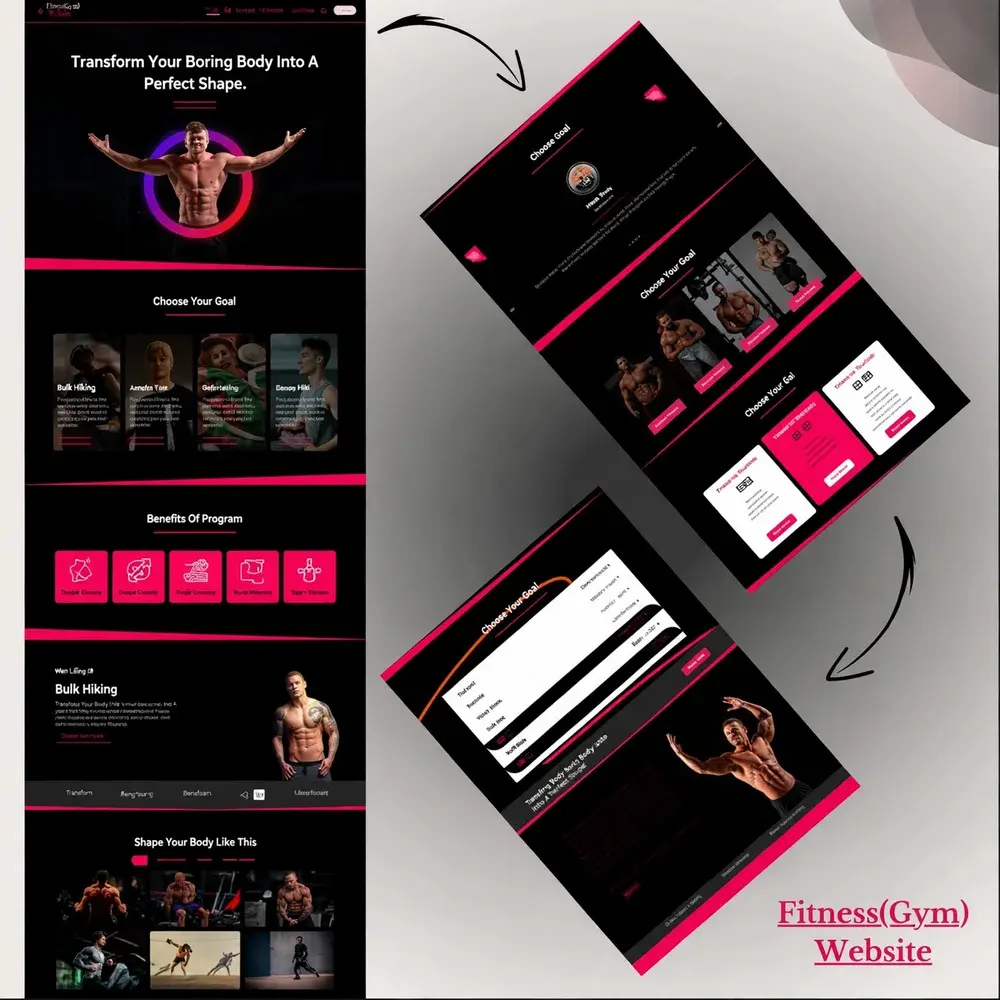
E-commerce Development illustration

Approach

How I approach E-commerce Development

Platform that fits the catalogue

A WordPress-based store suits many small catalogues; a custom React/Node build suits complex pricing, B2B rules or unusual workflows.

Checkout is the product

Fewer fields, clear costs and trusted payment options matter more than any visual effect.

How projects run, step by step →

Process

Your E-commerce Development project, step by step

  1. 1

    Planning

    A call to understand your goals, users and requirements, then a written scope.

  2. 2

    Design

    Wireframes, then a prototype you can click through and approve.

  3. 3

    Development

    Built in stages on a staging link, with your feedback at each milestone.

  4. 4

    Launch

    Quality checks, testing, your approval — then go live.

  5. 5

    Maintenance

    Ongoing support, updates and improvements after launch.

Stores built around how people buy

Online stores live or die on a few moments: finding the right product, trusting the product page, and getting through checkout. I focus effort there — fast images, clear prices and delivery details, honest stock information and as few checkout steps as possible.
Platforms I work with

The right platform depends on your products and team:

  • WooCommerce — flexible, no platform fees, ideal alongside WordPress content
  • Shopify — easiest to run day to day; custom themes and integrations
  • Custom Next.js + Stripe — for complex pricing, marketplaces or high performance

What's included

A typical store build covers:

  • Product catalogue, variants and filters
  • Payment gateways and tax setup
  • Shipping zones and delivery rules
  • Order emails and admin workflows
  • Product schema for Google rich results
  • Analytics for add-to-cart, checkout and purchase

From the portfolio

Panel Deals, a solar-products marketplace with pricing tools and dealer management, shows the custom end of the spectrum. The Shopify vs WooCommerce guide covers how to choose.

FAQ

E-commerce Development: common questions

Which payment gateways can you integrate?

Stripe and PayPal are the most common; I also integrate other gateways that provide a documented API, including region-specific providers.

Can you migrate products from my current store?

Yes. Products, categories and customers can usually be imported via CSV or API, with redirects from old product URLs.

Launching or rebuilding an online store?

Share a few details and get a clear, honest plan — usually within one business day.

Start a project