

Skip to content
ZeeshanSoft

Website Development

Website development that earns its place in your business

A website is usually the first conversation a prospect has with your business. I build sites that load fast, read clearly on any device, rank on solid technical foundations and make the next step obvious — whether that is a call, a booking or a purchase.

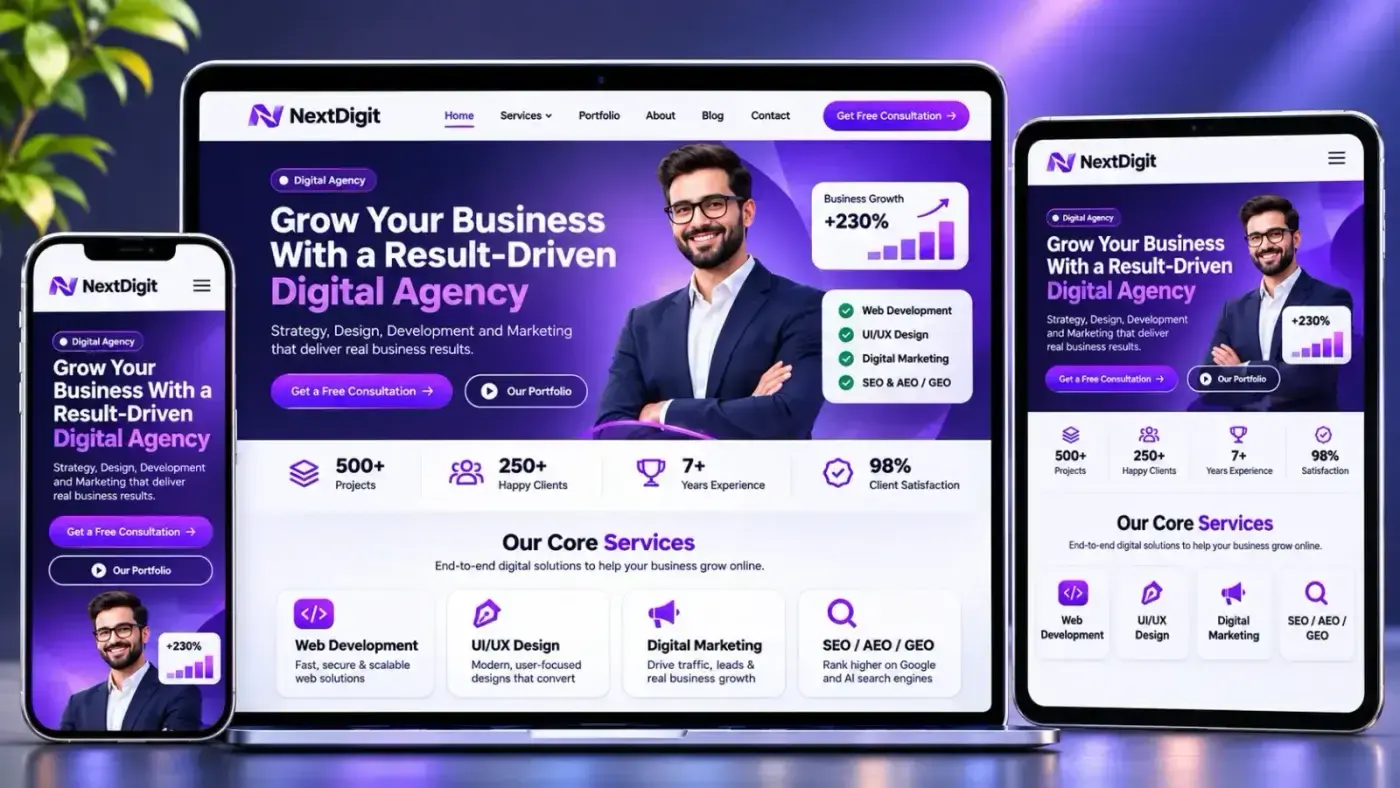
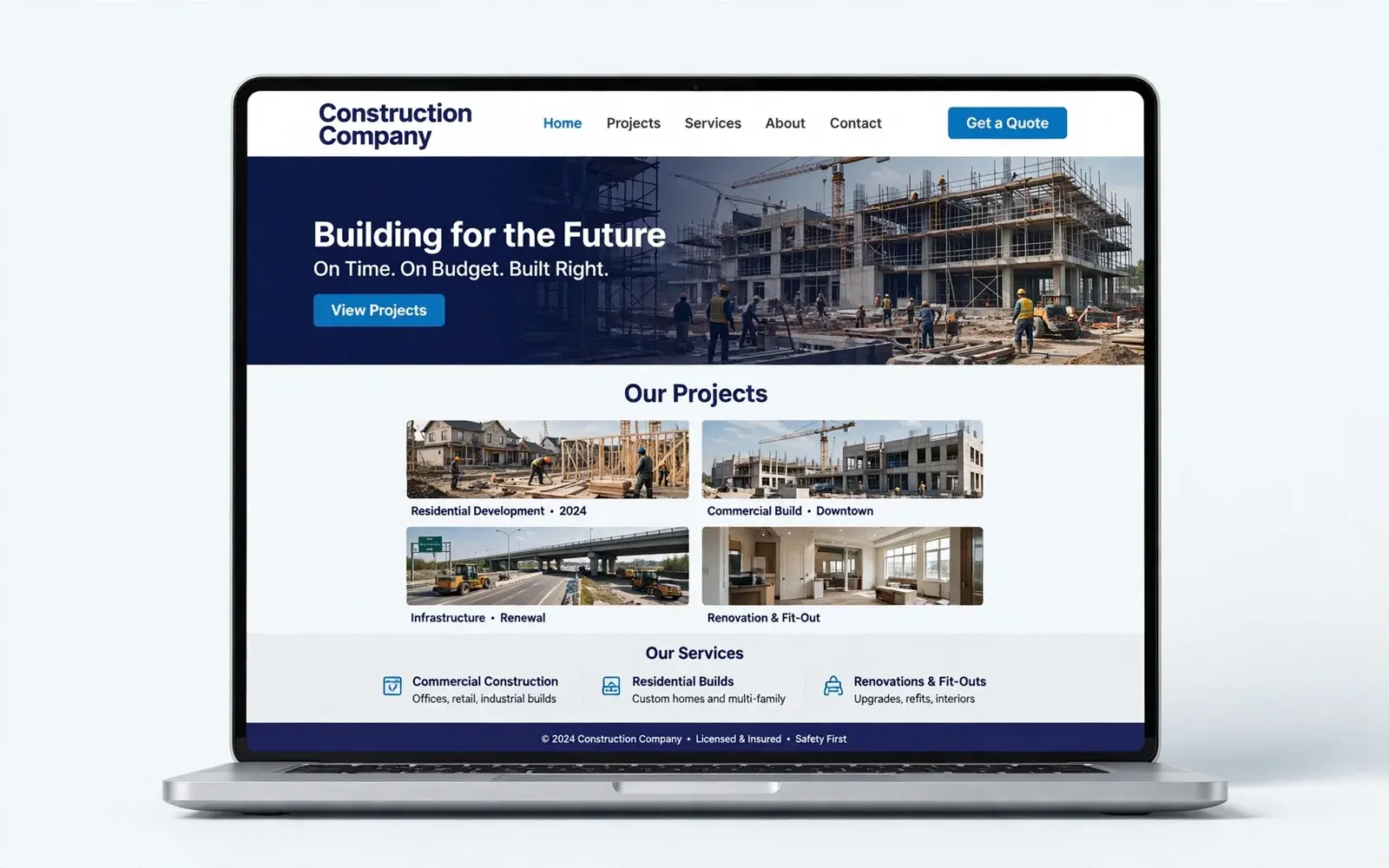
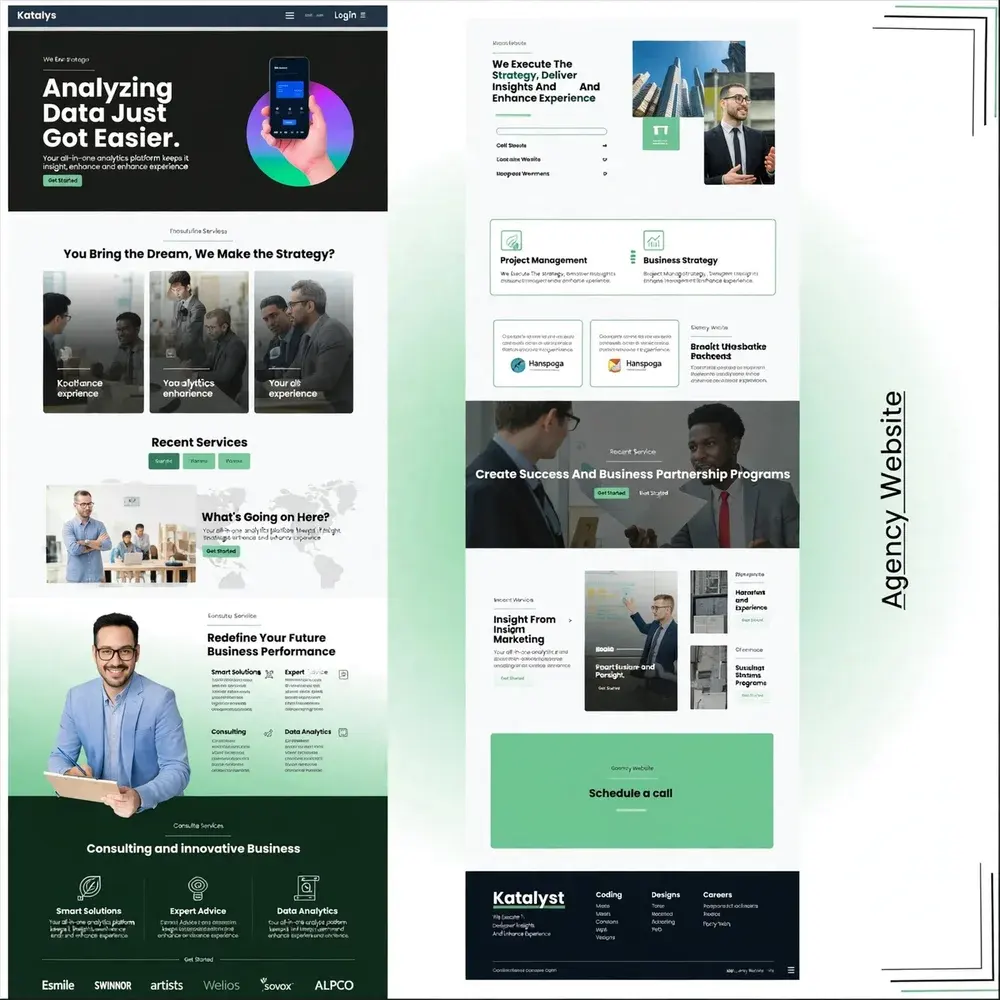
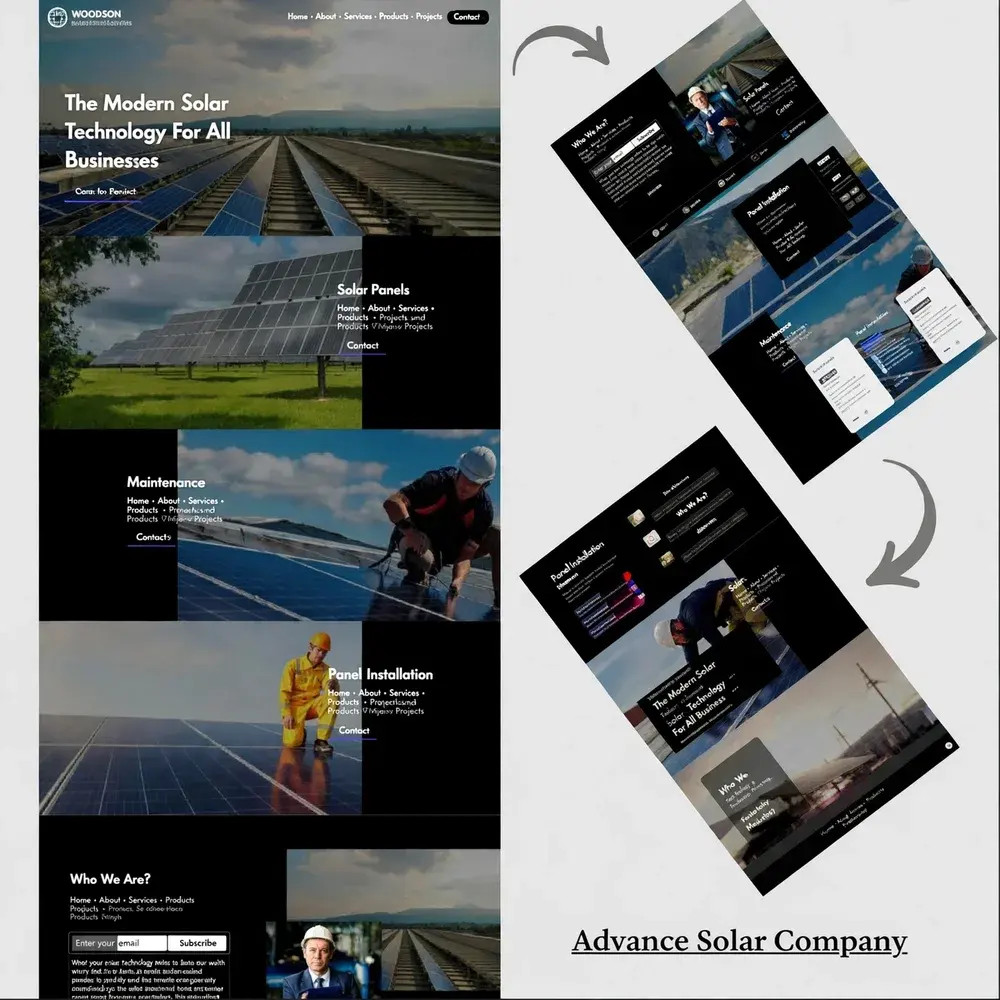
Digital agency, Website Development example
Design concept: Digital agency

Who needs Website Development

  • Service businesses that need a credible site generating enquiries
  • Companies replacing an outdated or slow website
  • Startups launching a product or brand
  • Agencies that need a dependable development partner

Problems Website Development solves

  • Slow pages that lose visitors before they read anything
  • Layouts that break on phones and tablets
  • No clear call to action, so traffic does not become leads
  • A site nobody on the team can update without a developer

Deliverables

What you get with Website Development

  1. Sitemap, page structure and content plan

  2. Custom responsive design for mobile, tablet and desktop

  3. Development in React/Next.js, WordPress or HTML/Bootstrap depending on your needs

  4. On-page SEO foundations: metadata, headings, structured data, sitemap

  5. Contact, quote or booking forms wired to your inbox or CRM

  6. Analytics setup and launch checklist

  7. Handover walkthrough and documentation

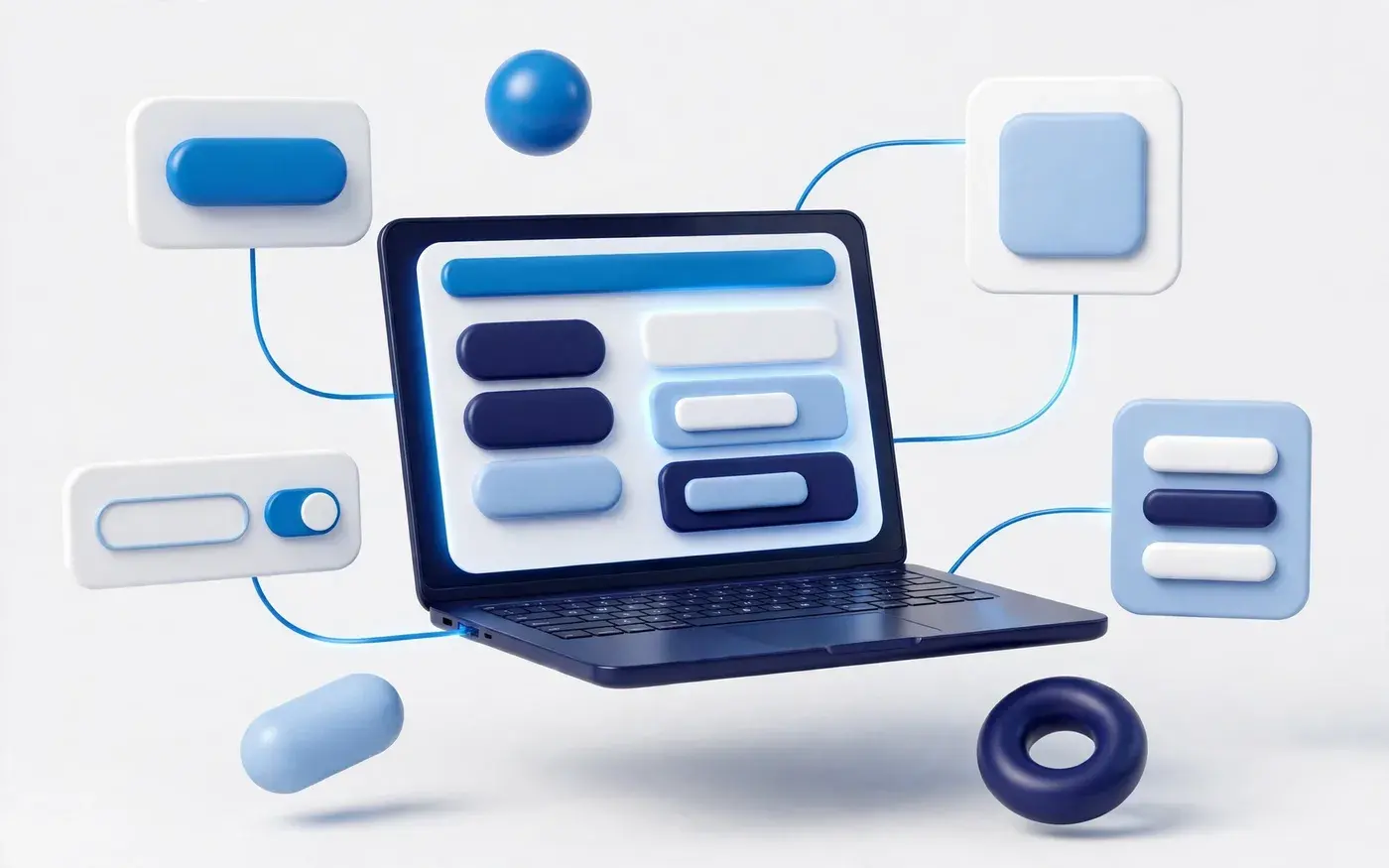
Website Development illustration

Approach

How I approach Website Development

Pick the right platform, not the trendy one

If your team needs to edit pages daily, WordPress may serve you better than a custom React build. If performance and custom interactivity matter most, Next.js is usually the stronger choice. I explain the trade-offs before we start.

Content and conversion first

Wireframes are built around what visitors need to decide — services, proof, pricing signals and contact — before visual polish is applied.

Performance as a requirement

Images are sized and compressed, fonts are loaded efficiently and JavaScript is kept to what the page actually needs, with Core Web Vitals checked before launch.

Every build includes responsive testing, accessible markup (labels, contrast, keyboard navigation), HTTPS and form spam protection.

How projects run, step by step →

Process

Your Website Development project, step by step

  1. 1

    Planning

    A call to understand your goals, users and requirements, then a written scope.

  2. 2

    Design

    Wireframes, then a prototype you can click through and approve.

  3. 3

    Development

    Built in stages on a staging link, with your feedback at each milestone.

  4. 4

    Launch

    Quality checks, testing, your approval — then go live.

  5. 5

    Maintenance

    Ongoing support, updates and improvements after launch.

What a business website has to do

A business website has three jobs: explain clearly what you do and for whom, prove you're good at it, and make it easy to take the next step — call, book, buy or enquire. Everything on the site should serve one of those jobs. Pages that don't are clutter.

That's why every project starts with your customers rather than the design: who they are, what they search for, what makes them hesitate, and what they need to see before they contact you.

Choosing the right platform

The platform follows your needs, not my preferences:

  • WordPress — when your team publishes often and wants to edit everything themselves
  • Next.js — when speed, security, custom features or SEO performance matter most
  • A headless CMS with Next.js — when you want both an easy editor and top performance
  • Plain HTML/Bootstrap — for very small sites or campaign pages with few changes

What's included in a typical build

A standard business website project includes:

  • Sitemap and page structure based on what customers search for
  • Custom design for desktop, tablet and phone
  • Conversion-focused contact and quote forms
  • On-page SEO: titles, headings, schema, sitemap and redirects
  • Speed optimisation to pass Core Web Vitals
  • Accessibility basics (WCAG 2.2 AA)
  • Google Analytics and Search Console setup
  • Training and hand-over of every account and file

Timeline and cost

A small business site of five to ten pages typically takes two to five weeks, depending mostly on how quickly content and feedback arrive. Every project gets a fixed-price quote after a short scoping call, with ongoing costs — hosting, domain, maintenance — written down before you commit. The website cost and timeline guides go into the details.

FAQ

Website Development: common questions

How long does a business website take?

A focused 5–8 page business website typically takes two to four weeks once content is available. Larger sites with custom functionality take longer; you get a timeline with milestones before work starts.

Will I be able to edit the website myself?

Yes. Depending on the platform you get either a WordPress dashboard or a simple content structure, plus a recorded walkthrough showing how to update text, images and pages.

Do you write the content?

I can structure and edit content and write supporting copy. For best results, the facts about your business — services, prices, history — come from you.

Planning a new website? Tell me about your business and goals.

Share a few details and get a clear, honest plan — usually within one business day.

Start a project