




Skip to content
ZeeshanSoft

Technical SEO & Performance

Technical SEO and performance, implemented in the code

Most SEO advice stops at a report. As a developer, I implement the fixes: speed improvements, clean architecture, structured data, sitemaps and indexation repairs — the foundations content and links depend on.

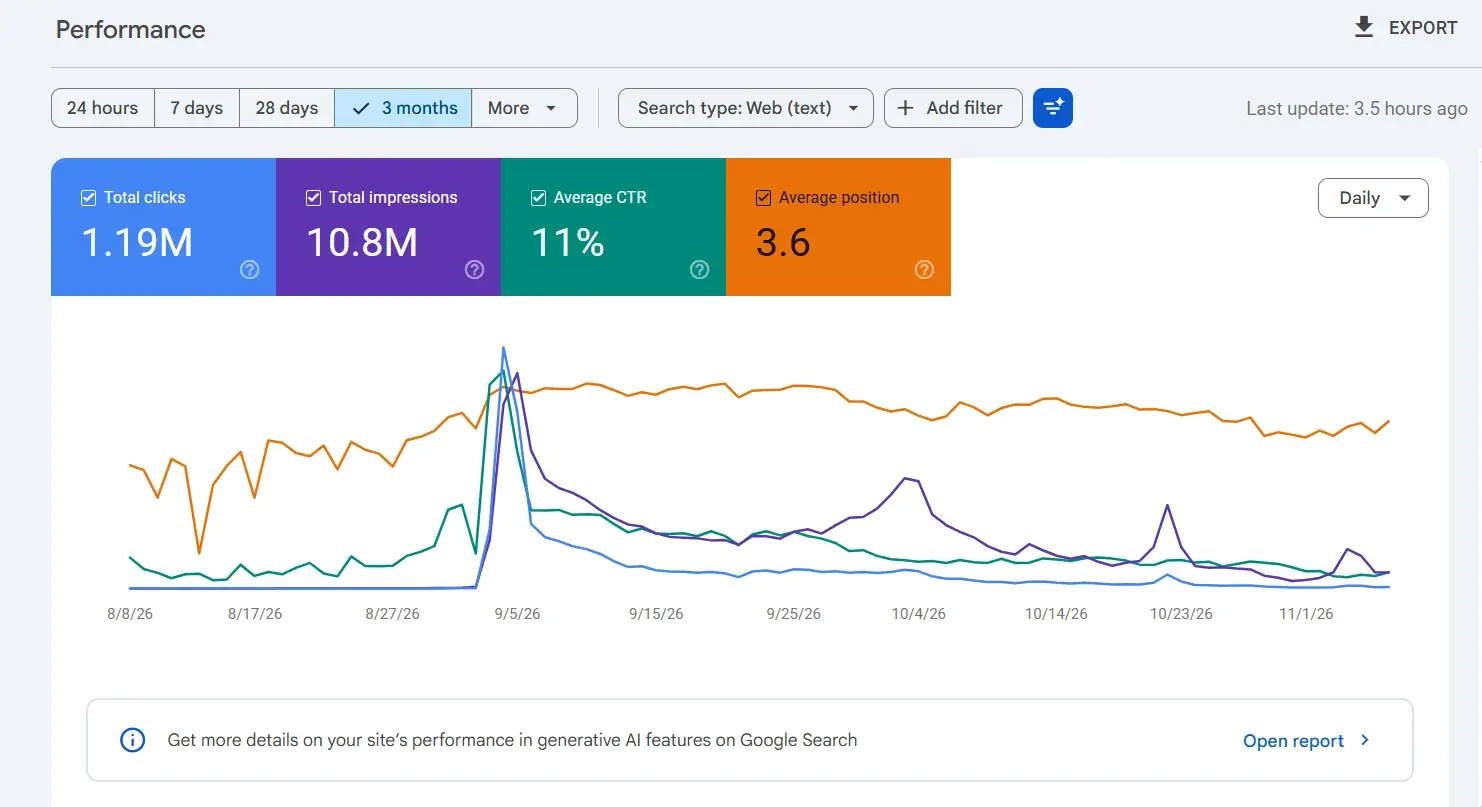
Google Search Console report for a client site: 1.19M clicks, 10.8M impressions, 11% CTR, average position 3.6 over 3 months
Real Search Console data: 1.19M clicks in 3 months

Who needs Technical SEO & Performance

  • Sites with traffic dropping after a migration or redesign
  • Businesses with slow pages or failing Core Web Vitals
  • Sites with pages that are not being indexed

Problems Technical SEO & Performance solves

  • Pages excluded from Google's index
  • Poor LCP, INP or CLS scores
  • Thousands of thin or duplicate pages diluting the site

Deliverables

What you get with Technical SEO & Performance

  1. Technical audit with prioritised fixes

  2. Core Web Vitals optimisation

  3. Structured data (Organization, Service, Article, Breadcrumb)

  4. XML sitemaps, robots.txt and canonical tags

  5. Redirect cleanup and internal linking improvements

  6. Local SEO foundations and Google Business Profile alignment

Technical SEO & Performance illustration

Real results

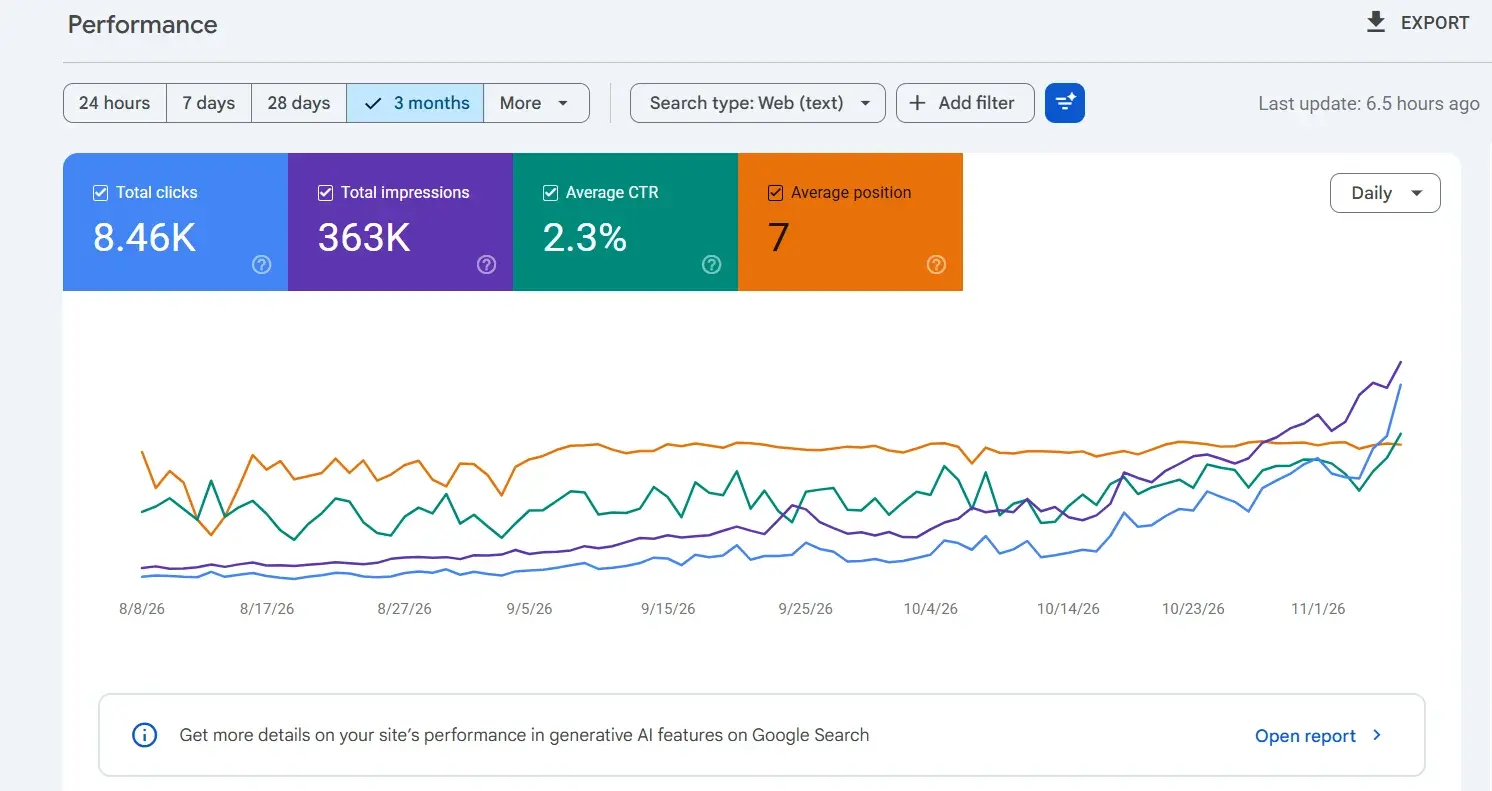
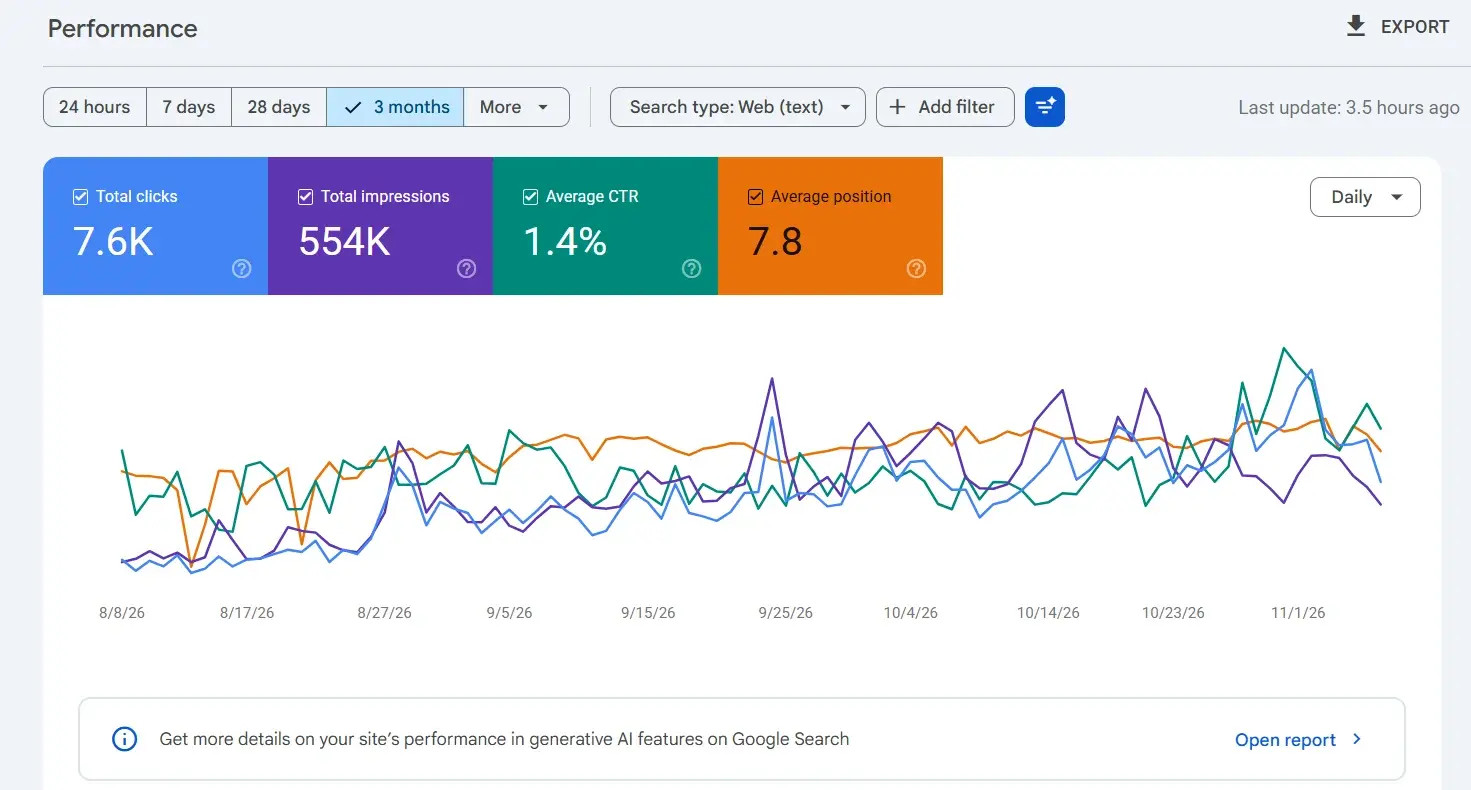
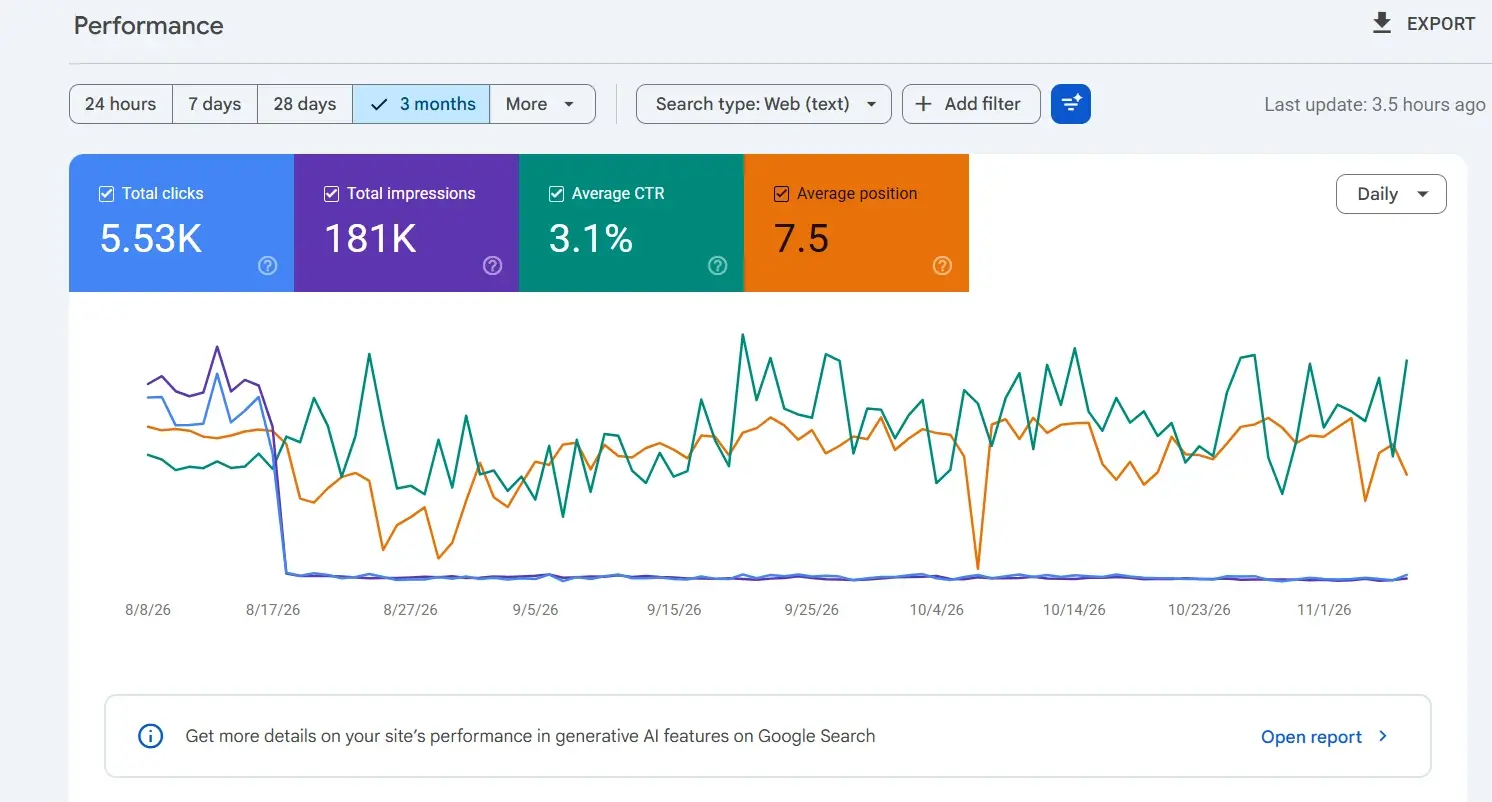
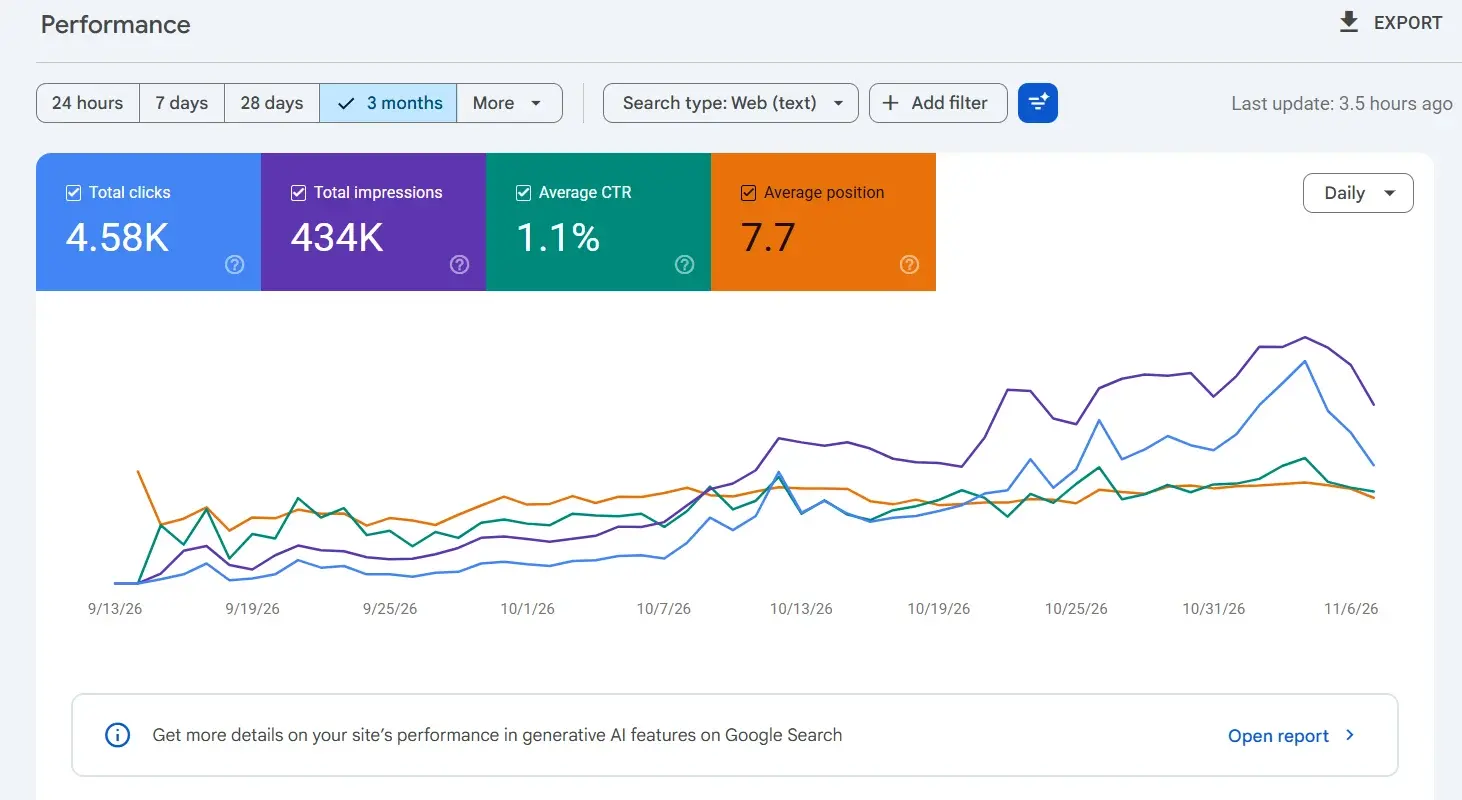
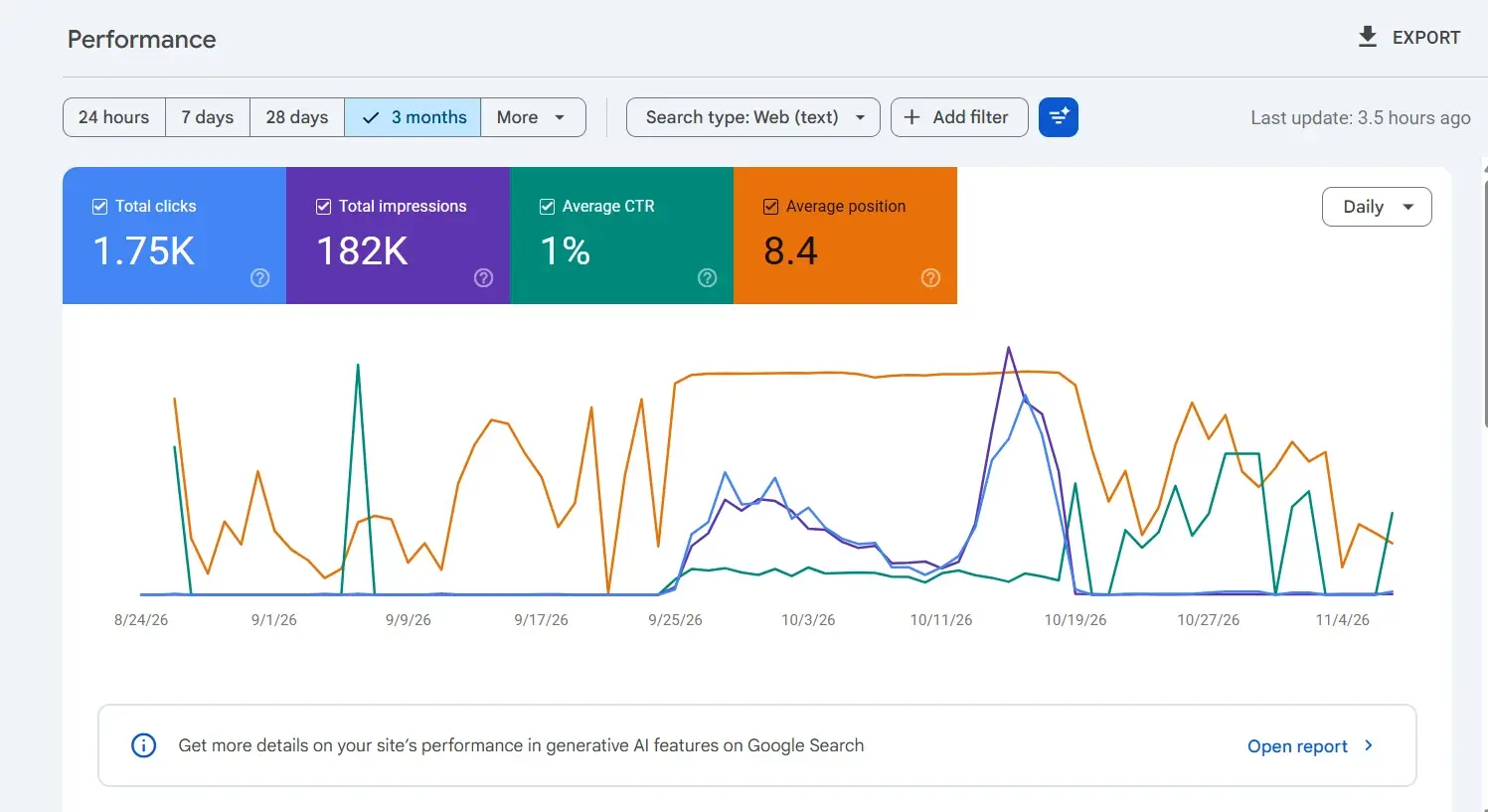
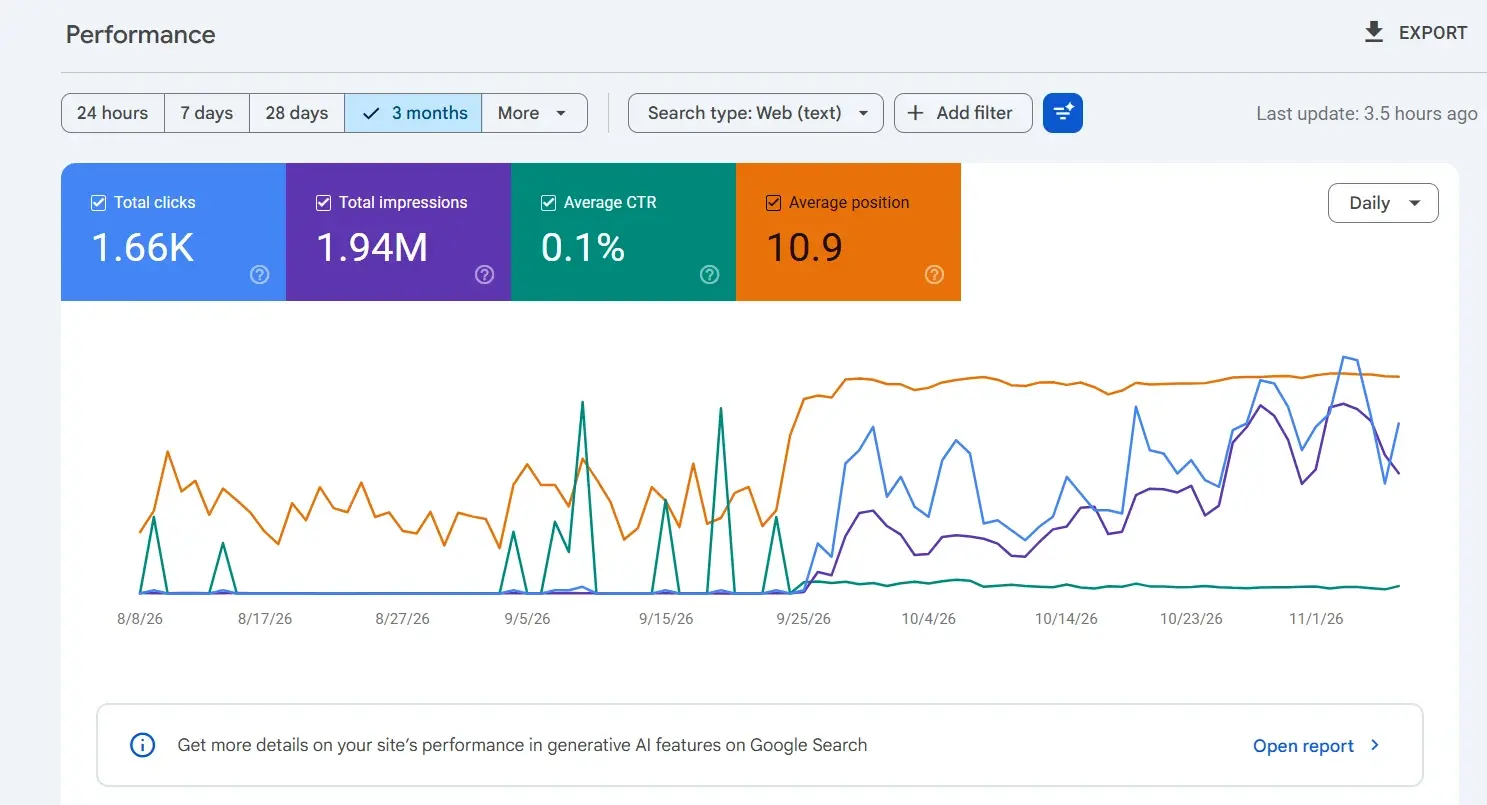
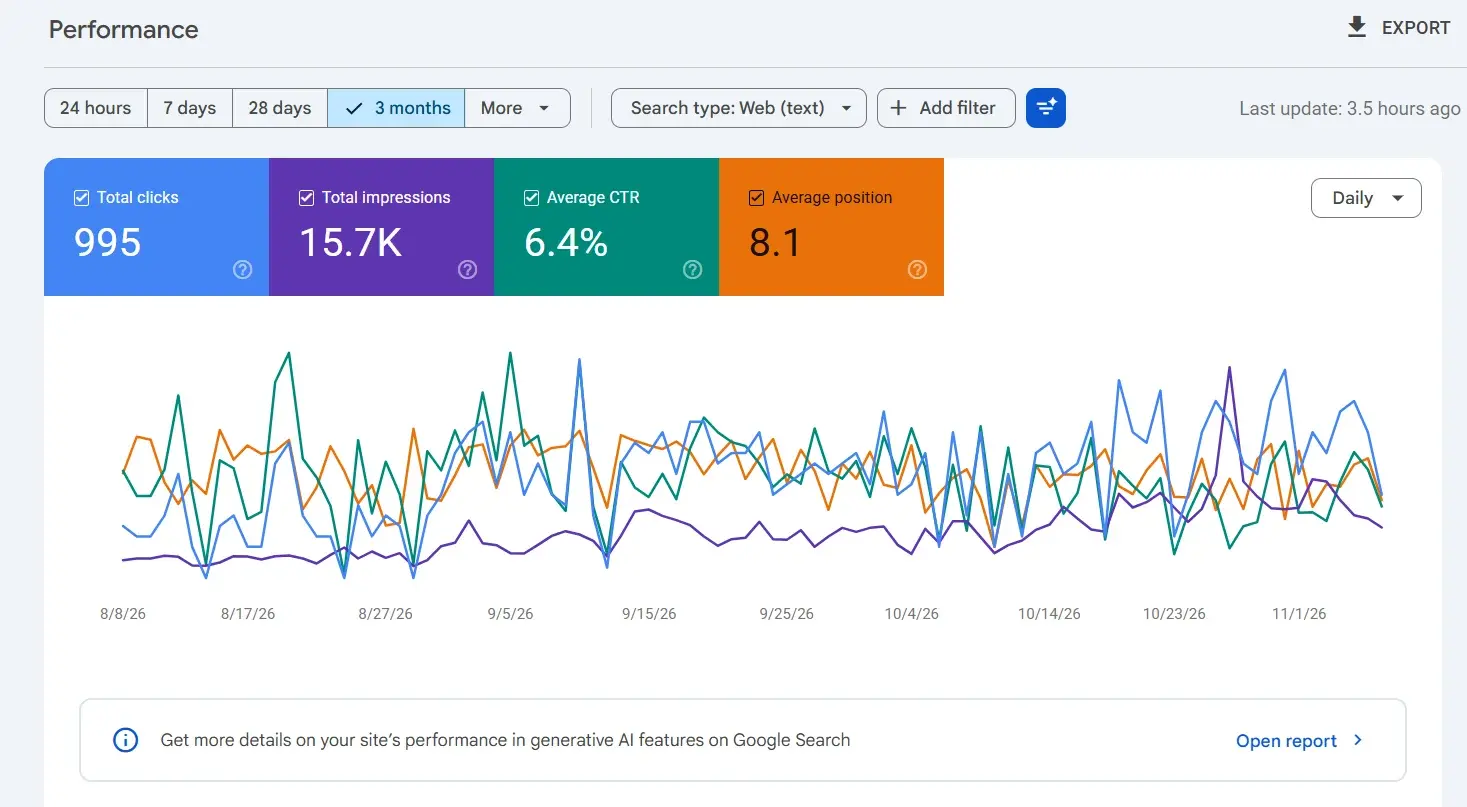
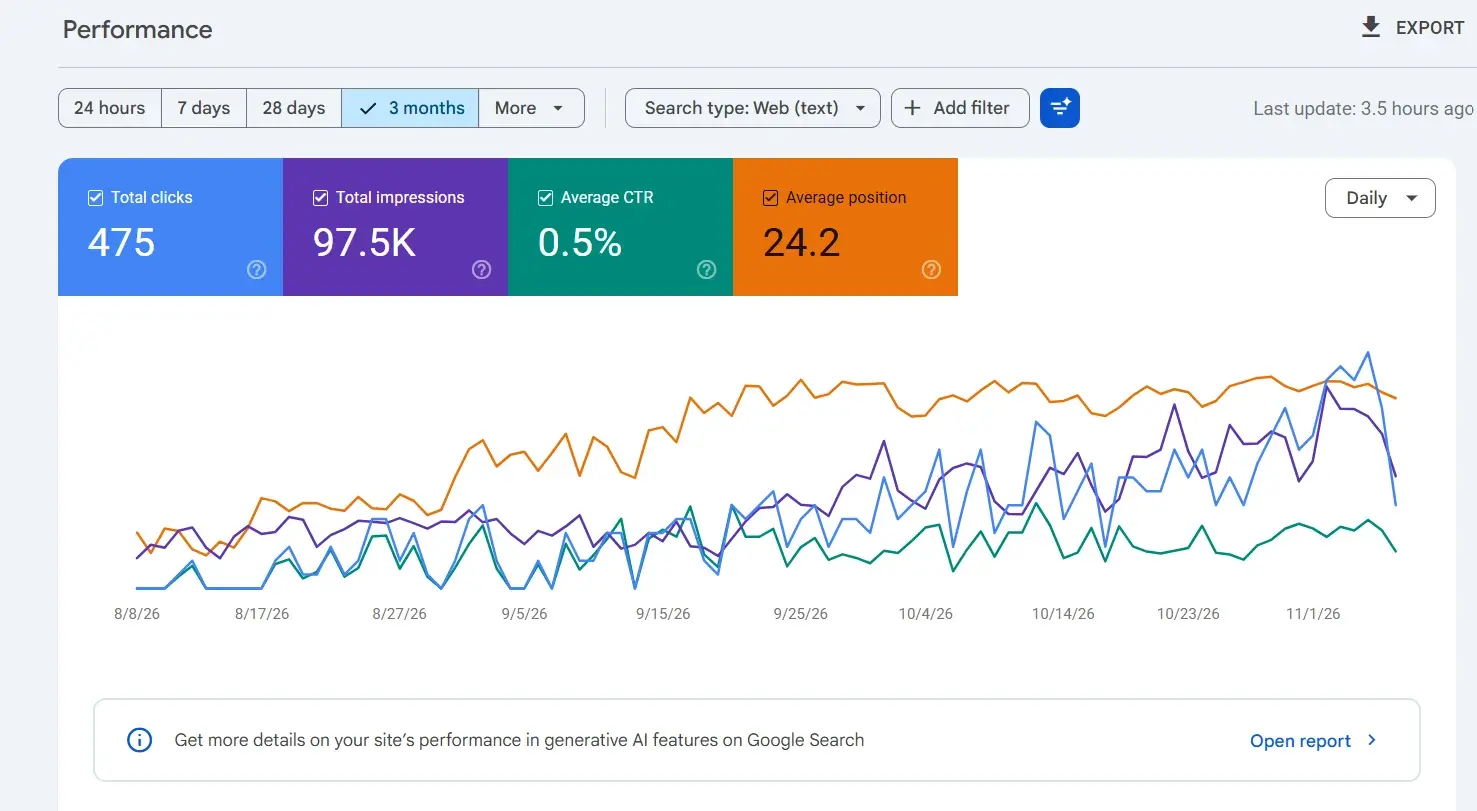
Search Console data from client sites

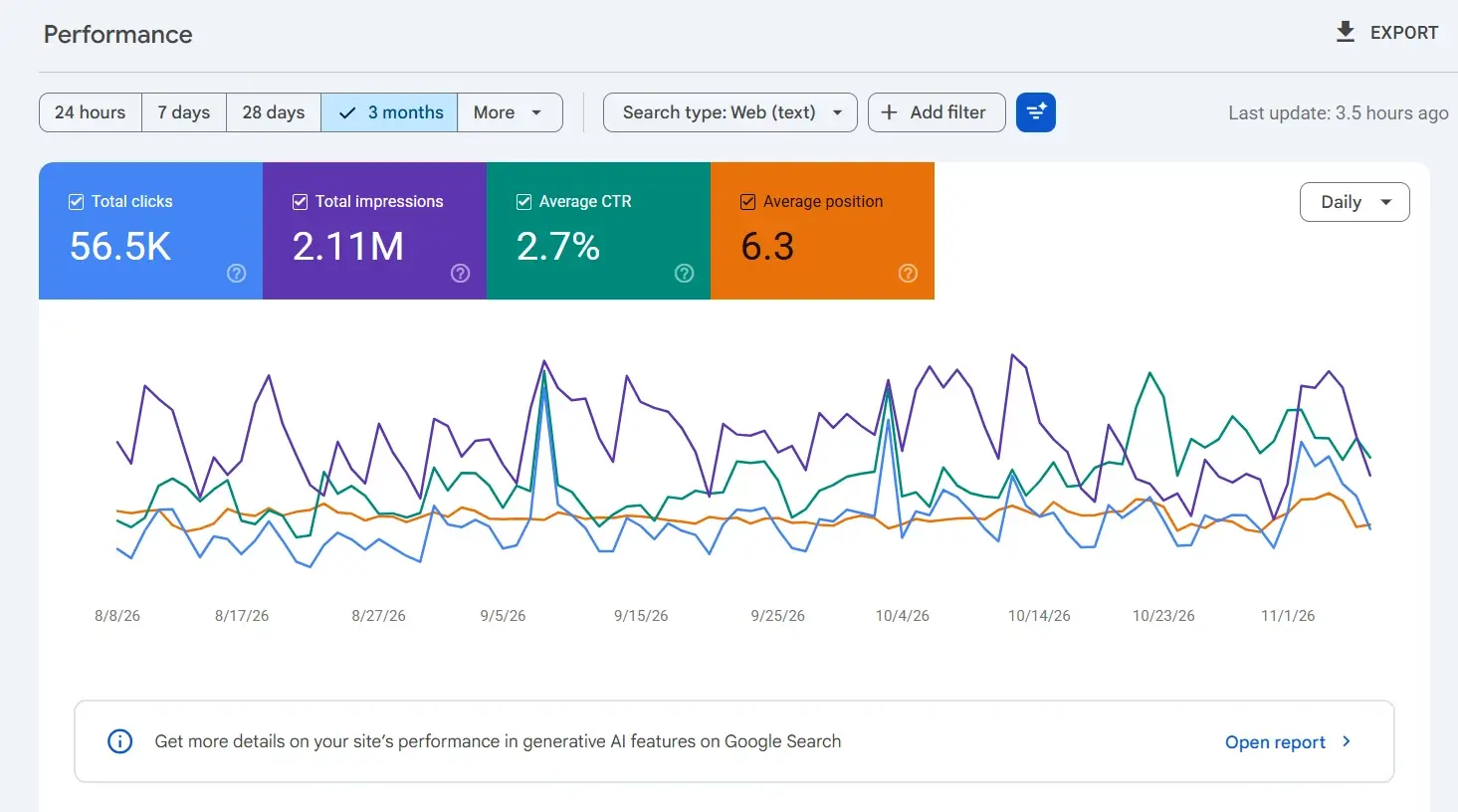
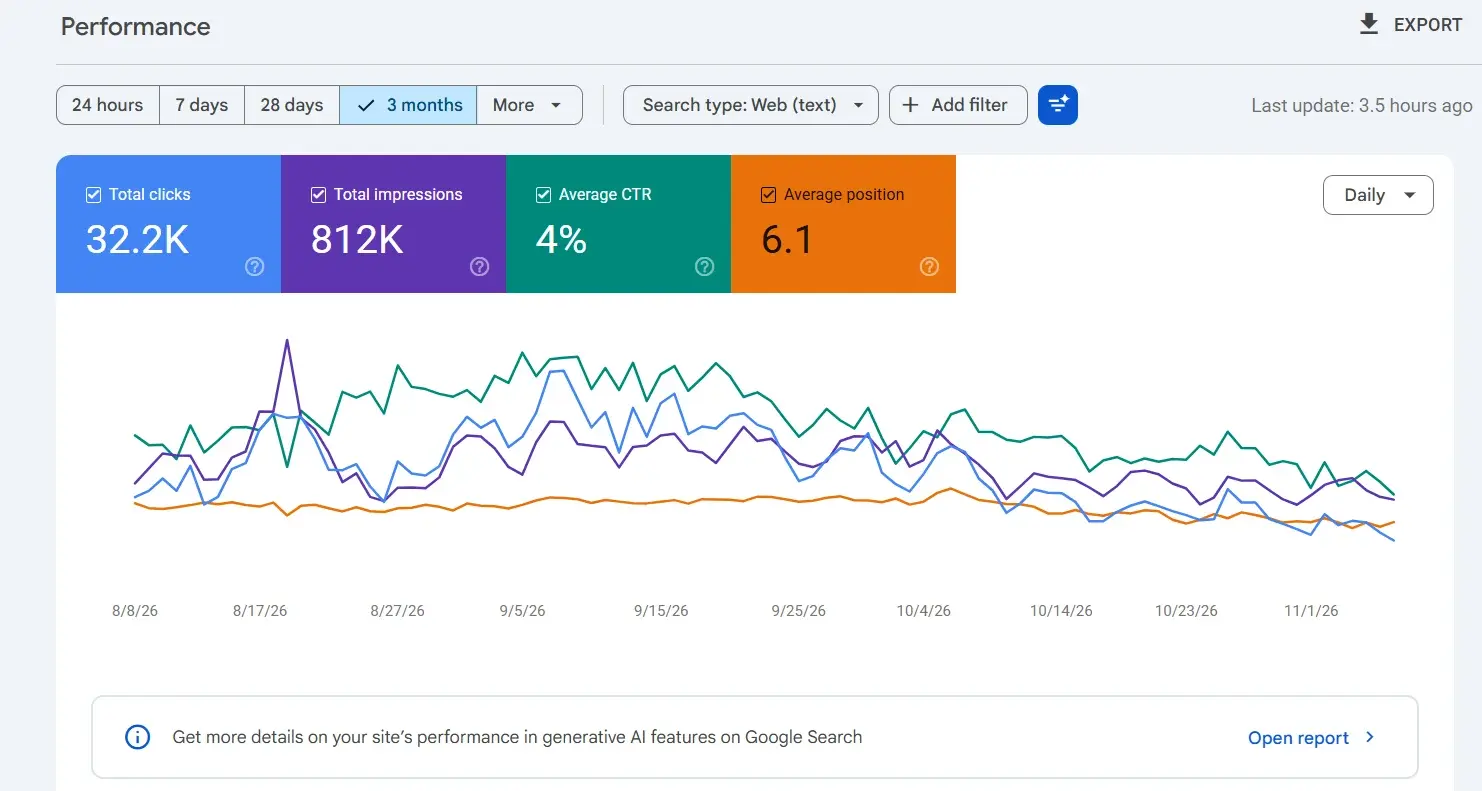
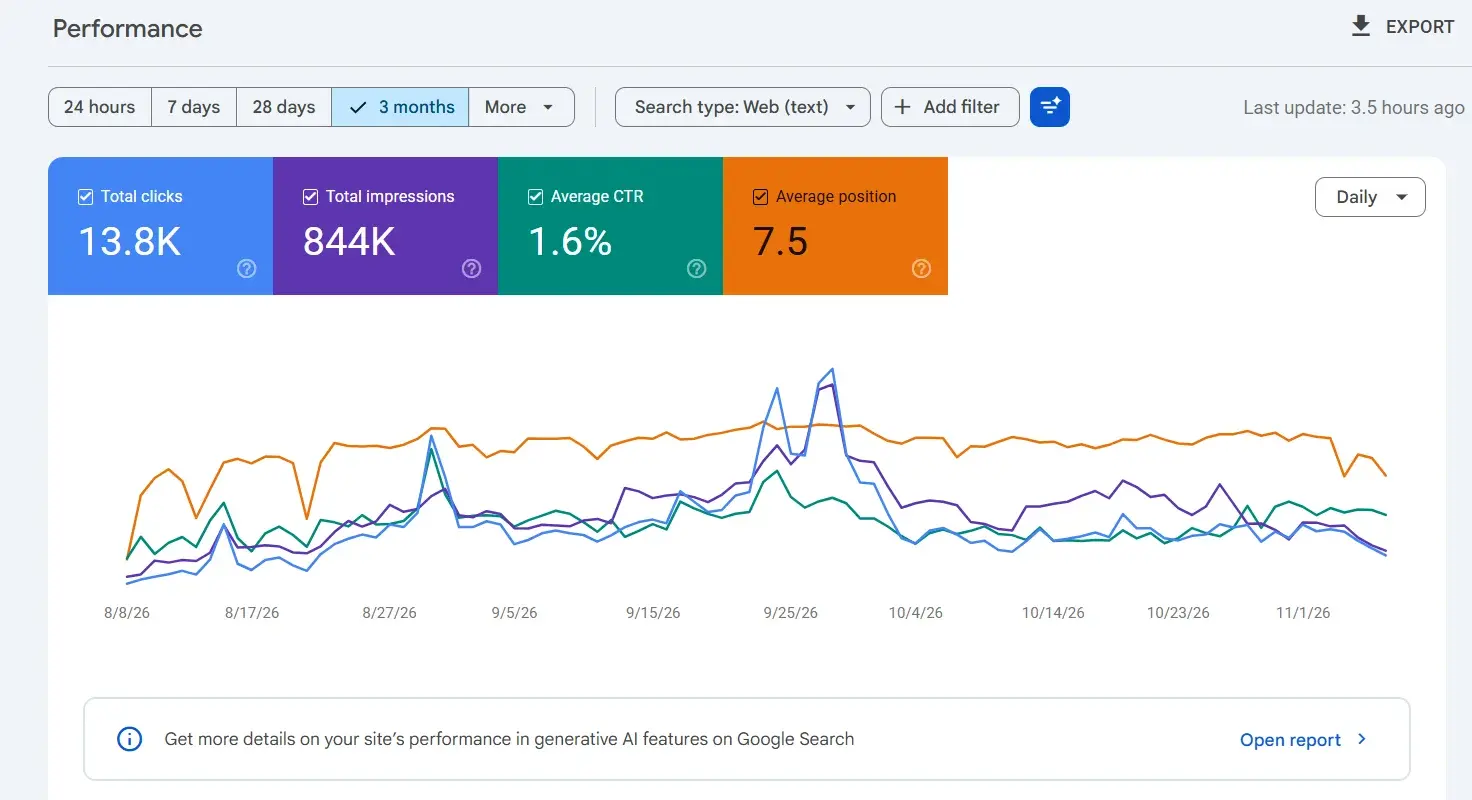
Unedited Google Search Console performance reports from twelve sites I work on — the last three months, August to November 2026. Site names are hidden for client privacy.

Combined clicks
1.3M+
Combined impressions
18M+

Results depend on each site's market, competition and starting point. Past results don't guarantee future rankings.

Approach

How I approach Technical SEO & Performance

Fix what limits growth first

Indexation and performance problems are tackled before cosmetic changes.

Honest expectations

Technical SEO removes barriers; rankings also depend on content, competition and links. Nobody can guarantee positions.

How projects run, step by step →

Process

Your Technical SEO & Performance project, step by step

  1. 1

    Planning

    A call to understand your goals, users and requirements, then a written scope.

  2. 2

    Design

    Wireframes, then a prototype you can click through and approve.

  3. 3

    Development

    Built in stages on a staging link, with your feedback at each milestone.

  4. 4

    Launch

    Quality checks, testing, your approval — then go live.

  5. 5

    Maintenance

    Ongoing support, updates and improvements after launch.

What a technical SEO audit covers

The audit checks the foundations every other SEO effort depends on:

  • Crawling and indexation: robots.txt, sitemaps, canonicals, noindex tags
  • Site architecture and internal linking depth
  • Redirect chains, broken links and orphan pages
  • Core Web Vitals on real devices and in field data
  • Structured data validity and coverage
  • Duplicate, thin and near-duplicate pages
  • Mobile usability and JavaScript rendering

Fixes, not just a report

Most audits end as a spreadsheet nobody has time to act on. Because I'm a developer, I implement the fixes myself — in WordPress, Next.js, React or custom code — and verify them in Search Console afterwards.

This site is an example: more than 13,000 thin legacy location URLs were consolidated into a small set of useful pages with single-hop 301 redirects, so their link equity is kept instead of wasted.

FAQ

Technical SEO & Performance: common questions

Can you guarantee first-page rankings?

No, and you should be wary of anyone who does. I improve the technical factors within your control and measure their effect.

What are Core Web Vitals?

Google's user-experience metrics: Largest Contentful Paint (loading), Interaction to Next Paint (responsiveness) and Cumulative Layout Shift (visual stability).

Want an honest technical review of your website?

Share a few details and get a clear, honest plan — usually within one business day.

Start a project